Safety Footwear Factory Selection Guide for Buyers
Selecting a safety footwear factory requires verifying compliance records, inspecting material handling, and testing production workflows. This guide provides a practical framework for buyers to evaluate suppliers, assess quality control systems, and reduce the risk of defective shipments before committing to long term contracts.
- Verify compliance documentation and factory inspection reports before placing a trial order.
- Audit raw material sourcing and storage conditions to prevent leather degradation.
- Define specific quality control milestones tied to production stages, not just final inspection.
- Use a tiered supplier evaluation system that combines technical audits with sample testing.
- Negotiate clear penalty and rework terms to protect against nonconforming batches.
Choosing the right safety footwear factory is a technical exercise, not a commercial one. A factory can produce attractive samples and offer competitive pricing, yet still fail when volume production begins. The failure usually stems from weak process control, inconsistent material sourcing, or a compliance culture that does not match the regulatory environment of the target market.
Buyers need a structured way to separate genuine capability from surface level presentation. The goal is to build a supplier evaluation model that checks the factory floor, the paperwork, and the people who operate the line. This guide outlines that framework.
What compliance documents should you request first?
Compliance is the baseline. If a factory cannot prove it meets the safety standards required by your destination market, the rest of the evaluation is irrelevant. Request the current test reports from recognized laboratories. These documents must reference specific standards applicable to your product category and market.
Do not accept a generic certificate without checking the scope. A test report for a single model does not automatically cover a new variant with different toe protection or a different outsole compound. The report should list the exact materials used, the testing method, and the date of the test.
Ask for the factory’s internal quality records as well. Look for traceability logs that connect each batch of leather, steel shank, or composite toe cap to the final shoe. This traceability matters when a quality issue appears in the market. You need to isolate the problem batch quickly.
How do you evaluate raw material handling on the factory floor?
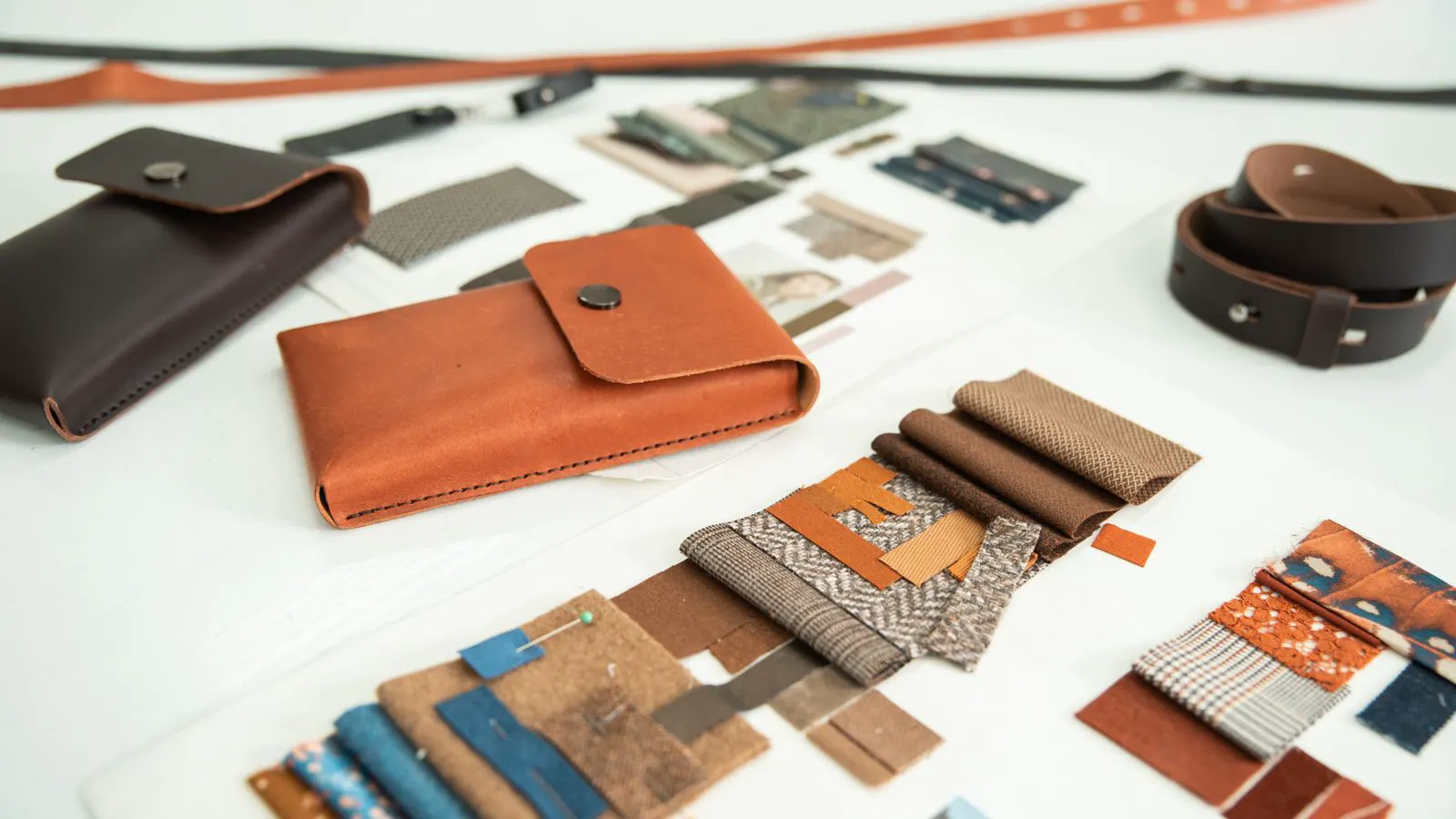
Leather is a biological material. It is sensitive to humidity, temperature, and chemical exposure. A factory that stores leather in a damp area or near chemical storage will produce uppers that shrink, crack, or discolor after a few months of wear.
Visit the material storage area during your audit. Check the relative humidity and temperature logs. Many factories keep these records, but few update them consistently. Look for pallets that are off the floor and covered with breathable cloth. Avoid facilities where leather is stacked directly on concrete or exposed to direct sunlight.
Inspect the cutting room. The way a factory cuts leather indicates its respect for material value and pattern efficiency. Look for consistent edge quality on the cut pieces. Frayed or burnt edges suggest poor equipment maintenance or operator error. These defects often migrate into the final shoe, causing weak points at the seams.
What quality control milestones should you define before production?
Final inspection is too late. By the time a shoe is packed, a defect is a cost, not a fix. You need in process checks at defined stages.
- Insole and midsole assembly: Check adhesive coverage and alignment. A misaligned insole causes foot discomfort and accelerates wear.
- Uppers assembly: Verify stitching tension and seam straightness. Uneven stitching weakens the structure and looks unprofessional.
- Last fitting: Confirm the shoe fits the last correctly. A loose fit leads to heel slippage and toe rubbing.
- Outsole attachment: Inspect the bond or stitching. A weak outsole bond is a major failure point for safety footwear.
- Final assembly: Check hardware, labels, and packaging. A missing label or wrong colorway is a logistical nightmare for importers.
Define the acceptance rate for each milestone. For example, you might require a defect rate below a certain percentage at the stitching stage. If the factory cannot meet that threshold, the process is not ready for volume.
How do you assess the factory’s production capacity?
Capacity is not just about the number of machines. It is about the flow of materials through the line. A factory with 500 pairs of capacity per day may only produce 200 if material preparation is a bottleneck.
Ask for a production schedule that breaks down each week into specific tasks. Can they produce 10,000 pairs in six weeks without delaying other orders? Can they handle a sudden increase in a specific model?
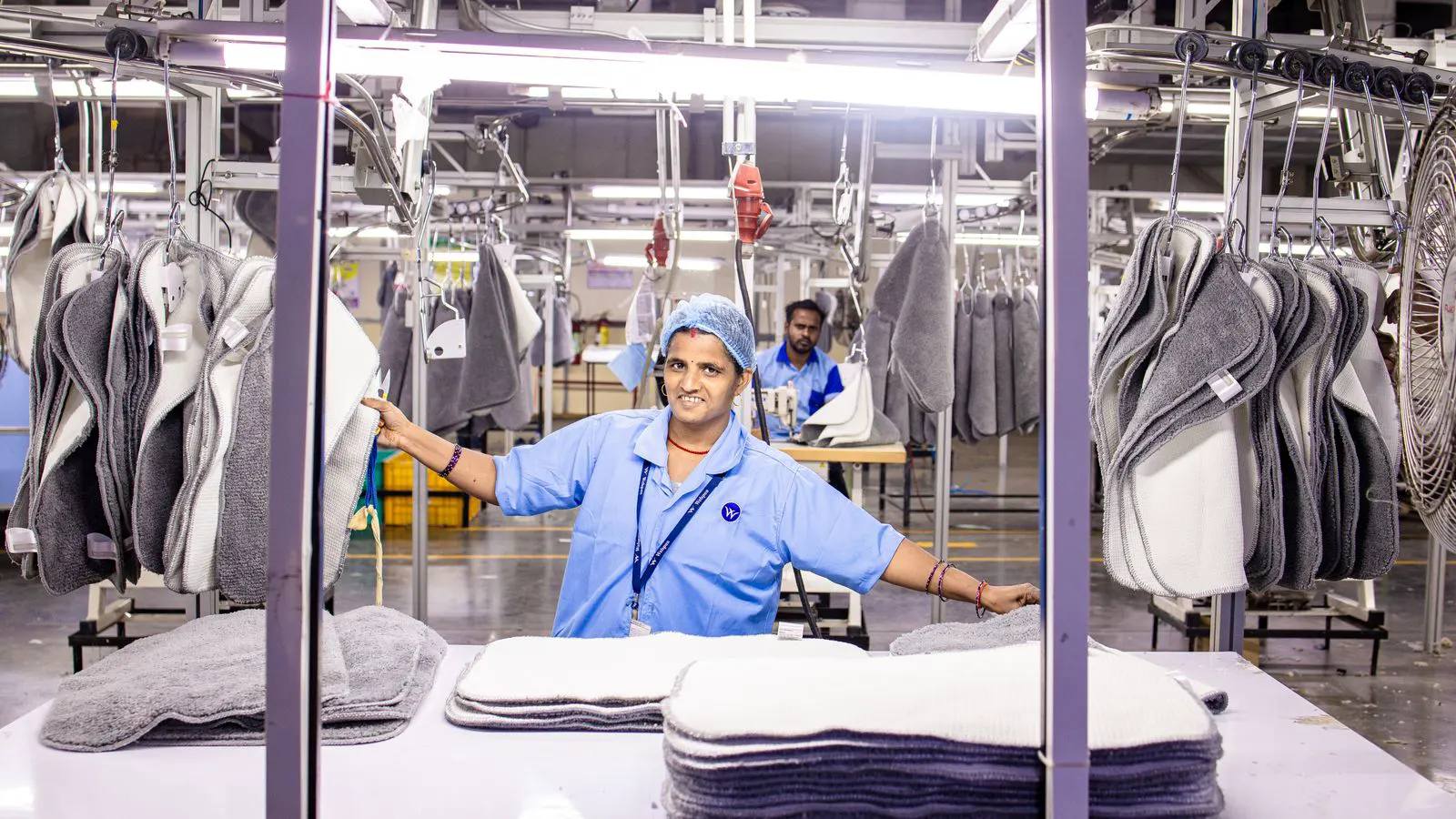
Look at the workforce. Safety footwear manufacturing requires skilled operators for stitching and assembly. High turnover rates indicate poor working conditions or lack of training. Ask how long operators have been with the company. Tenure is a proxy for skill retention and process consistency.
What supplier evaluation tools should you use?
Use a scoring matrix to compare factories objectively. Assign weights to each criterion based on your specific needs. For a buyer focused on compliance, weight compliance and quality control higher. For a buyer focused on cost, weight material sourcing and labor rates higher.
| Criterion | What to look for | Why it matters |
|---|---|---|
| Compliance | Valid test reports, internal QC records | Ensures the product meets legal safety standards |
| Material Sourcing | Traceability logs, storage conditions | Prevents material degradation and quality drift |
| Production Flow | Clear WIP limits, balanced line speed | Reduces bottlenecks and ensures on time delivery |
| Workforce | Operator tenure, training records | Maintains stitching quality and process consistency |
| Logistics | Packaging standards, export documentation | Minimizes shipping damage and customs delays |
Score each factory from one to five on each row. Multiply by the weight. This removes emotion from the decision. A factory with a lower price but a weak score in quality control will likely cost you more in rework and returns.
How do you structure the trial order?
Never commit to volume without a trial. The trial order should test the factory’s ability to execute your exact specifications, not just produce a sample.
Specify the sample size. A trial of 100 to 300 pairs is usually sufficient to test process stability. Include a random selection of materials from different batches if possible. This tests the factory’s ability to handle variation.
Define the acceptance criteria in writing. State the maximum number of defects allowed, the specific standards for stitching, and the required packaging. Send the acceptance report to the factory immediately after inspection. Do not wait until the next order to communicate issues.
What are the common red flags?
Several behaviors during the audit or the trial order signal deeper problems.
- The factory refuses to show you the material storage area.
- The compliance reports are expired or do not match the model you are buying.
- Operators cannot explain the purpose of a specific QC check.
- The production floor is cluttered, with no clear separation between WIP and finished goods.
- The factory cannot provide a detailed breakdown of the cost structure.
If you see two or more of these, proceed with caution. You can often fix a cluttered floor with better management. You cannot easily fix a culture that hides defects.
Final decision checklist
Before signing a long term agreement, run through this checklist.
- Compliance: Do you have valid test reports for the specific model and market?
- Materials: Have you inspected the leather storage and cutting room?
- Quality Control: Are your in process milestones defined and agreed upon?
- Capacity: Has the factory demonstrated the ability to meet your volume target?
- Trial: Has a trial order been produced and inspected against your acceptance criteria?
- Terms: Are your rework and penalty terms written into the contract?
- Communication: Do you have a direct line to the quality manager, not just the sales representative?
If you can check all of these, you have a strong candidate. If you cannot, keep evaluating. The right safety footwear factory is not the one with the lowest quote. It is the one that can deliver consistent quality, on time, without constant supervision.
Frequently asked questions
How long should a trial order take to be produced?
A trial order of a few hundred pairs typically takes two to four weeks, depending on the factory's current workload and material availability.
Can I visit the factory remotely if I cannot travel?
Yes. You can request a live video tour of the key areas, including material storage and the assembly line. Ask for timestamps and specific checks to verify authenticity.
What is the best way to handle a defective batch?
Do not accept the batch. Require the factory to rework the items at their cost or provide a replacement. Document the defect clearly with photos and measurements.
Should I buy a single model or multiple models from one factory?
Start with one model to establish the process. Once quality is stable, you can introduce variations. This reduces the risk of compounding errors during the learning phase.
How do I know if a factory is a trader and not a manufacturer?
Request a video call with the production floor manager. Ask them to point to specific machines and explain the setup. A trader will often redirect you to a sales contact or provide generic answers.