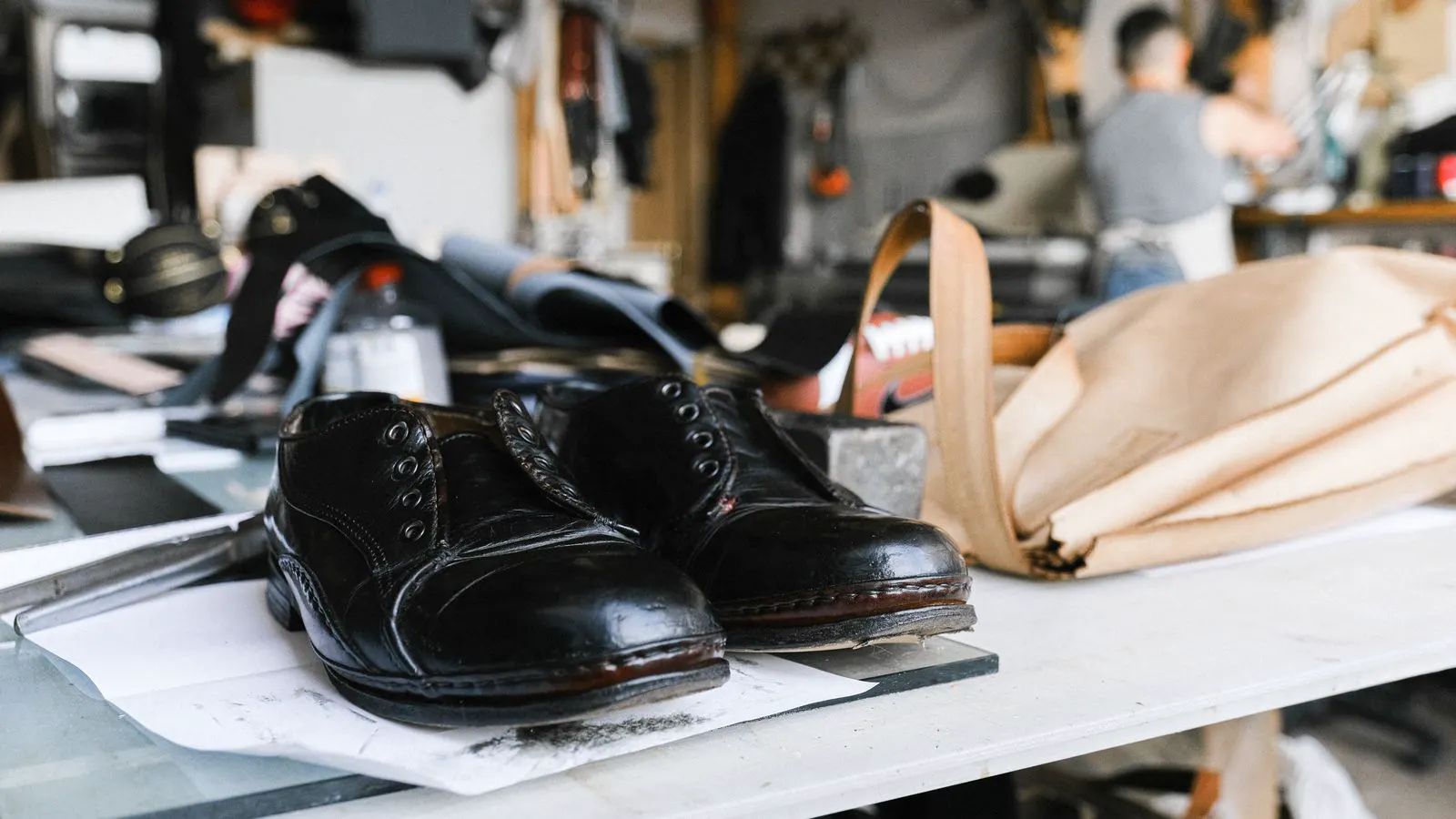
Cost & MOQ
EVA vs Blown Rubber Outsoles for High-Traffic Retail
EVA offers lower upfront cost and lighter weight, while blown rubber delivers superior abrasion resistance and longevity. The right choice depends on intended wear
Practical insights into footwear production costs, minimum order quantities, and pricing factors to support budget planning and negotiation.
EVA offers lower upfront cost and lighter weight, while blown rubber delivers superior abrasion resistance and longevity. The right choice depends on intended wear
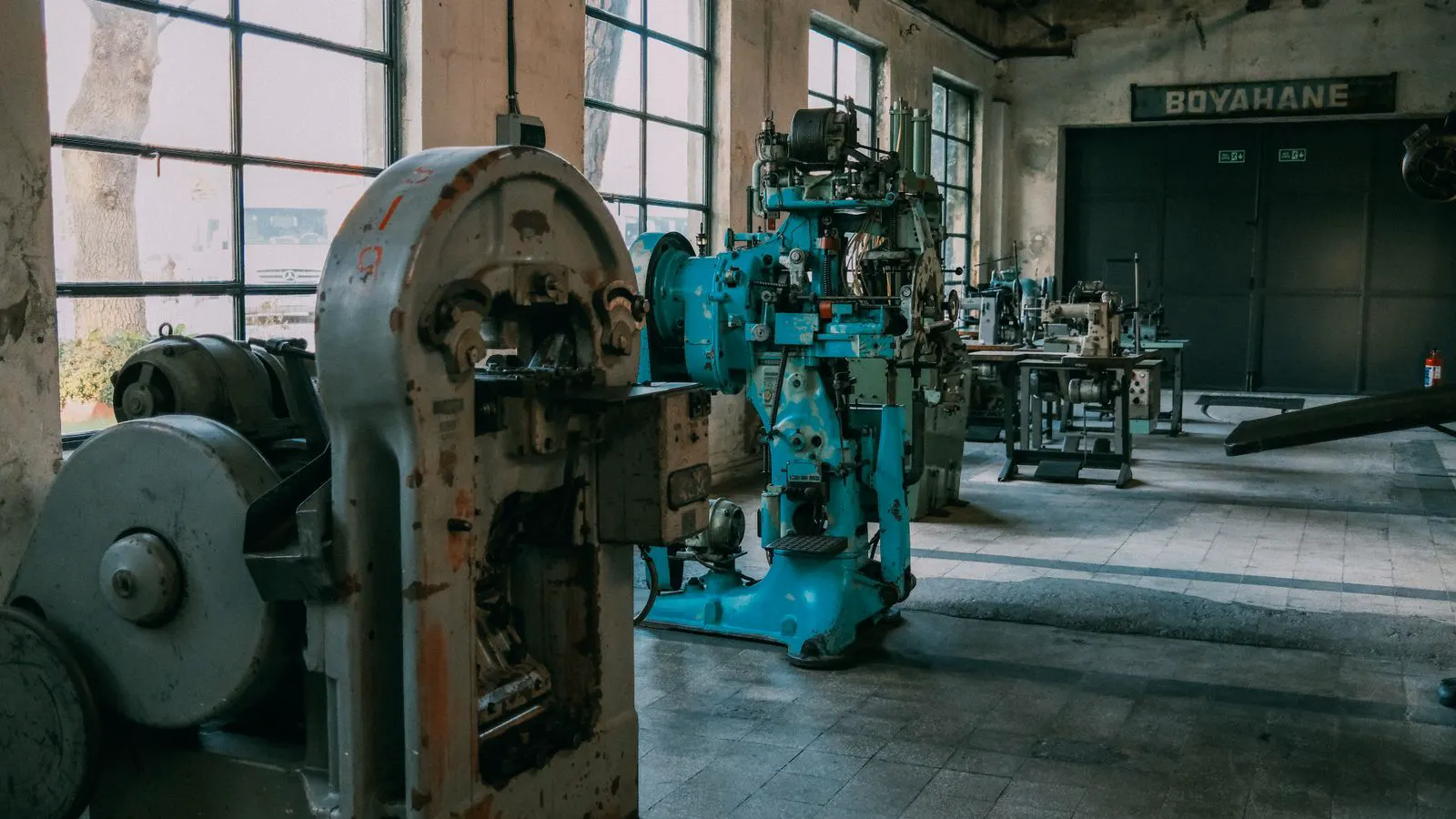
Midsole compression and outsole separation stem from material mismatch, incorrect adhesive selection, or poor pressing. Identify the root cause through controlled
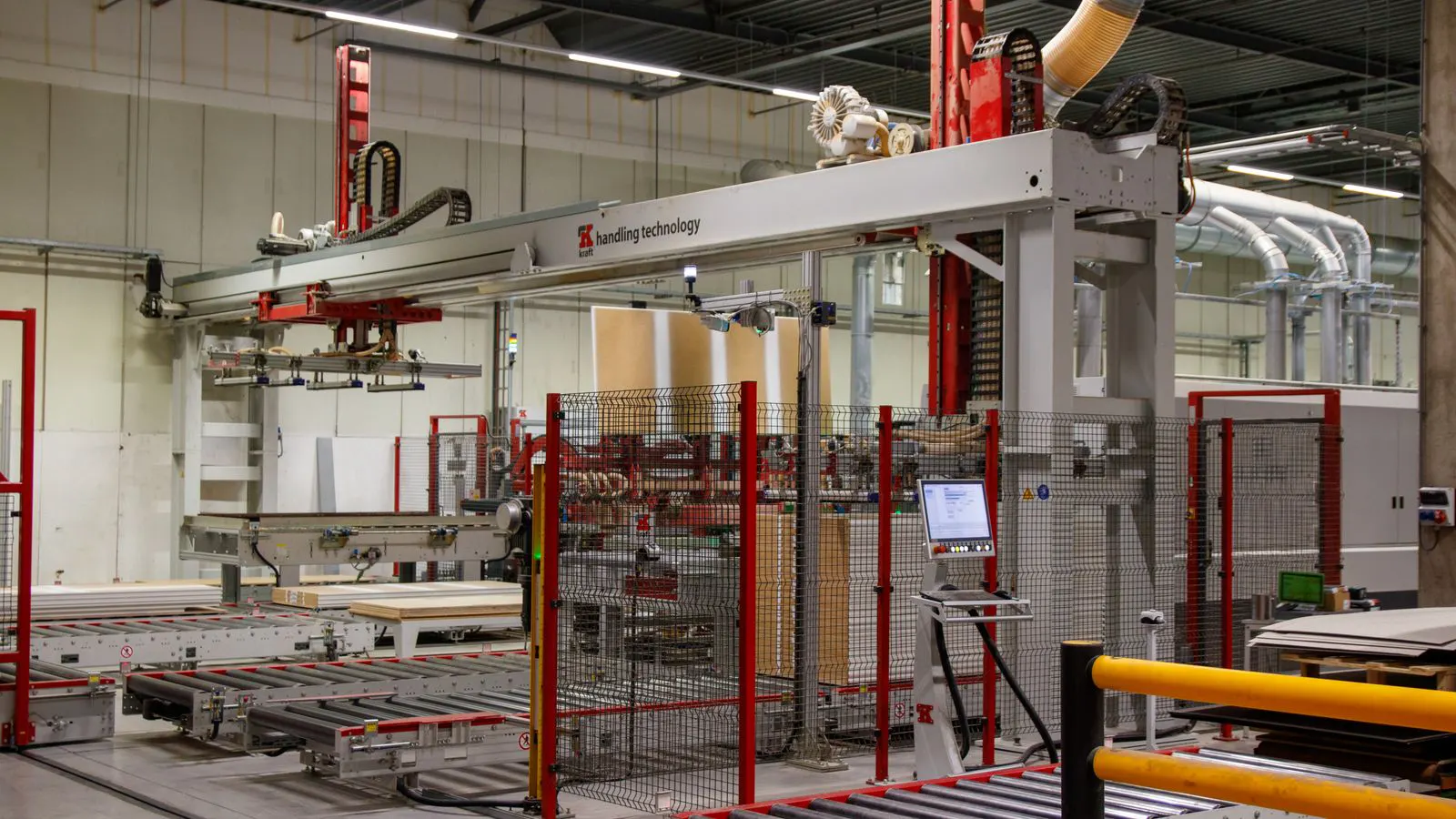
Shoe MOQ requirements vary between sample and production phases. This guide explains how to structure your order to minimize upfront costs, secure favorable terms, and
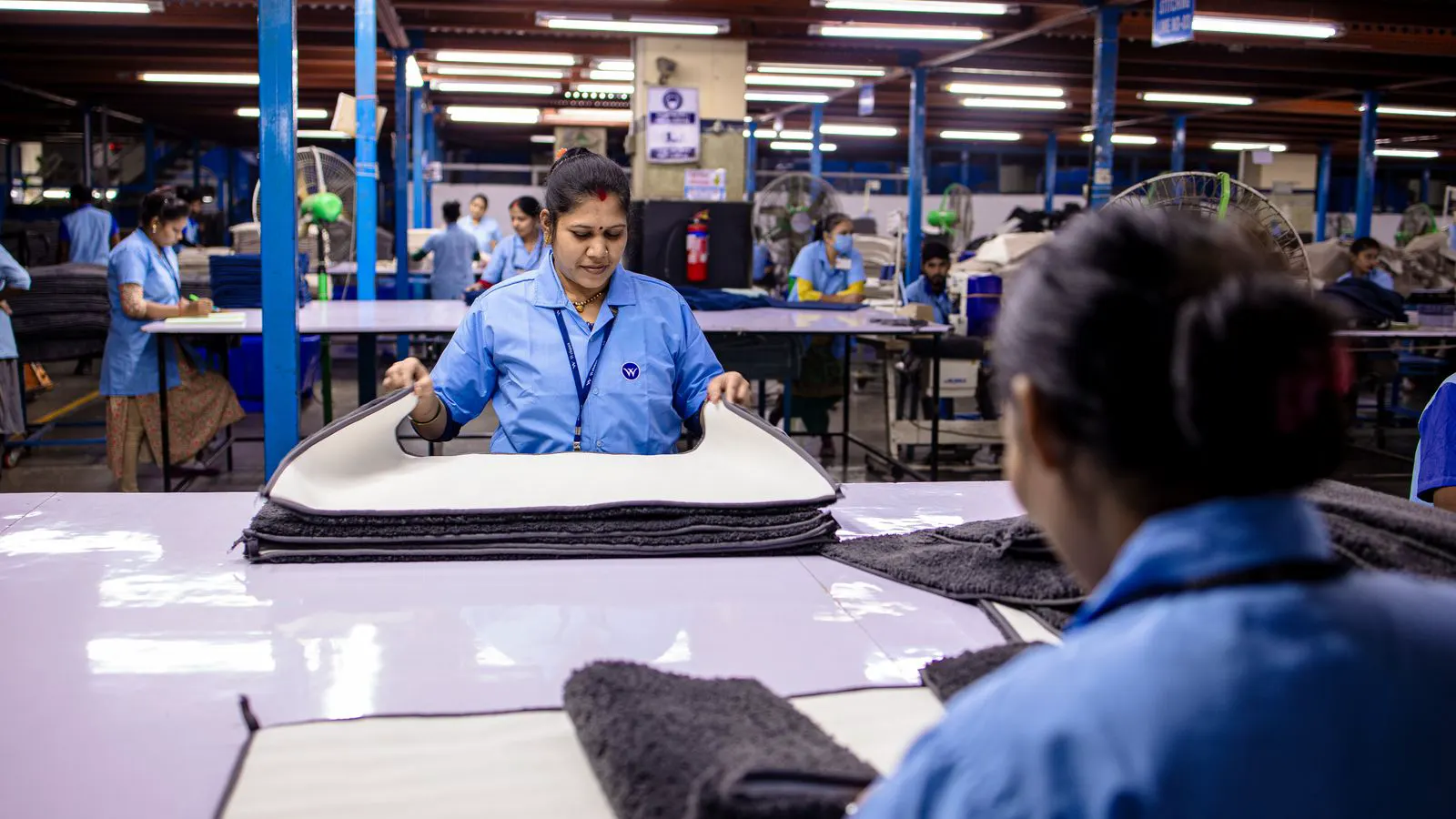
Lowering shoe MOQ requirements with new factories requires aligning order volume with production run economics. Negotiate by adjusting materials, simplifying

Custom sneaker prototyping costs depend on design complexity, material choices, labor rates, and factory overhead. Lead times vary from a few weeks to several months
CMT offers lower entry costs and flexible MOQs, while OEM provides full design control and brand ownership. The right model depends on your design maturity, volume
This footwear manufacturing price guide breaks down labor, materials, and overhead so importers can compare supplier quotes, identify hidden costs, and set realistic
Shoe samples cost more because they use slower processes, higher material waste, and fewer labor efficiencies than mass production. This manufacturing price guide breaks
Shoe MOQ requirements depend on production method, material complexity, and factory capability. This guide breaks down realistic minimums for each process so you can

To calculate footwear manufacturing cost per unit, divide total production expenses by the number of pairs. The formula covers materials, labor, overhead, and margin.