
Quality & Compliance
How Shoe Inspection Levels Affect Final Pass Rates
Stricter inspection levels catch more hidden defects, which lowers final pass rates initially but prevents costly rework and returns. Importers must match rigor to
Information on quality control processes, inspection standards, and regulatory compliance for footwear manufacturing and exports.
Stricter inspection levels catch more hidden defects, which lowers final pass rates initially but prevents costly rework and returns. Importers must match rigor to
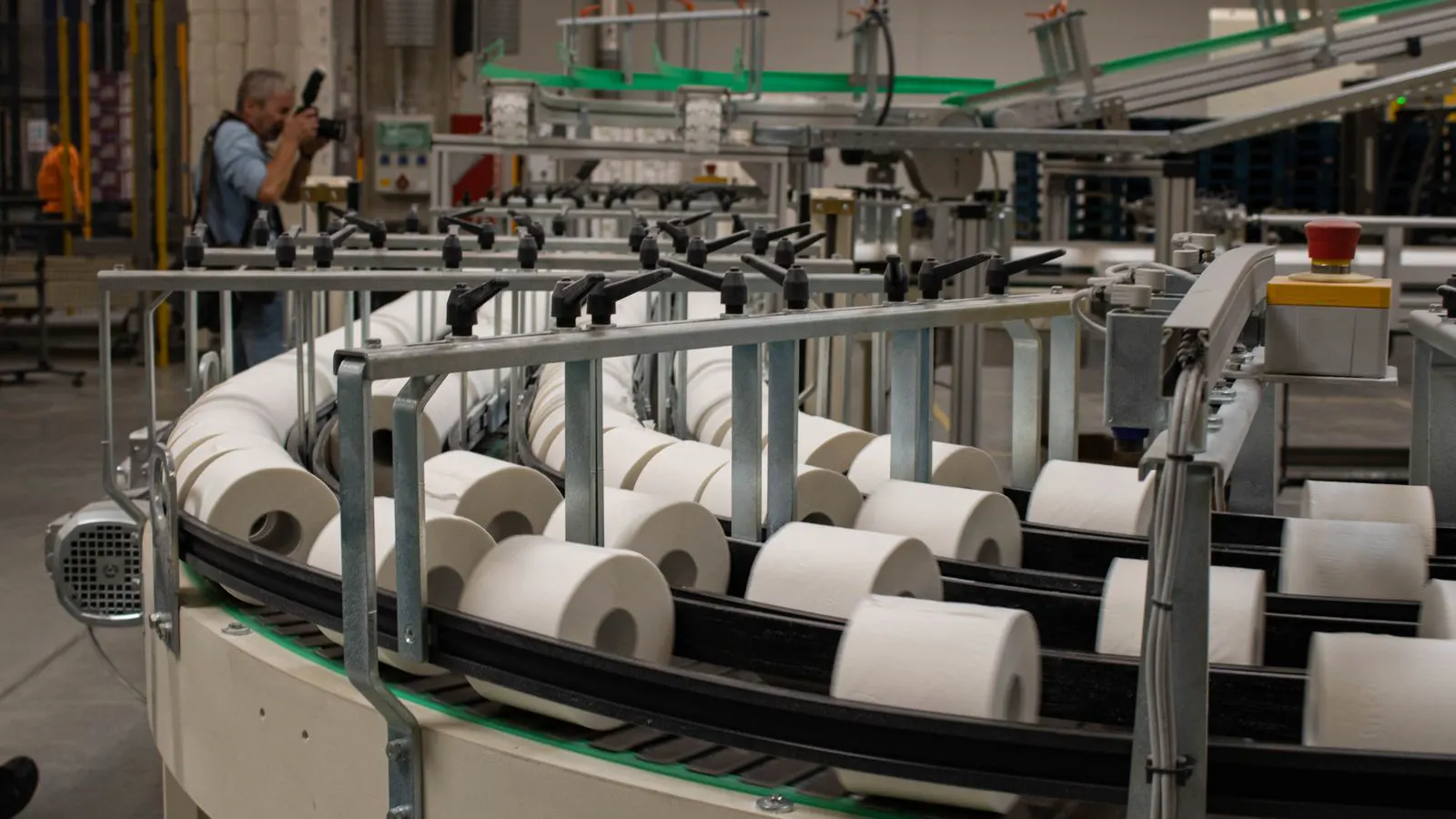
PUF and EVA serve different roles in midsole material selection. PUF offers high cushioning and lighter weight, while EVA delivers superior durability, stability, and

Factory quality audits reveal a supplier's true capability, compliance posture, and process discipline. This guide explains what to examine in audit reports, how to

Export footwear regulations require alignment with destination market safety laws, labeling rules, and chemical restrictions. Buyers must verify material safety, test

Final quality checks fail when defects appear late in production. This guide lists common shoe flaws, explains their likely causes, and provides corrective actions to
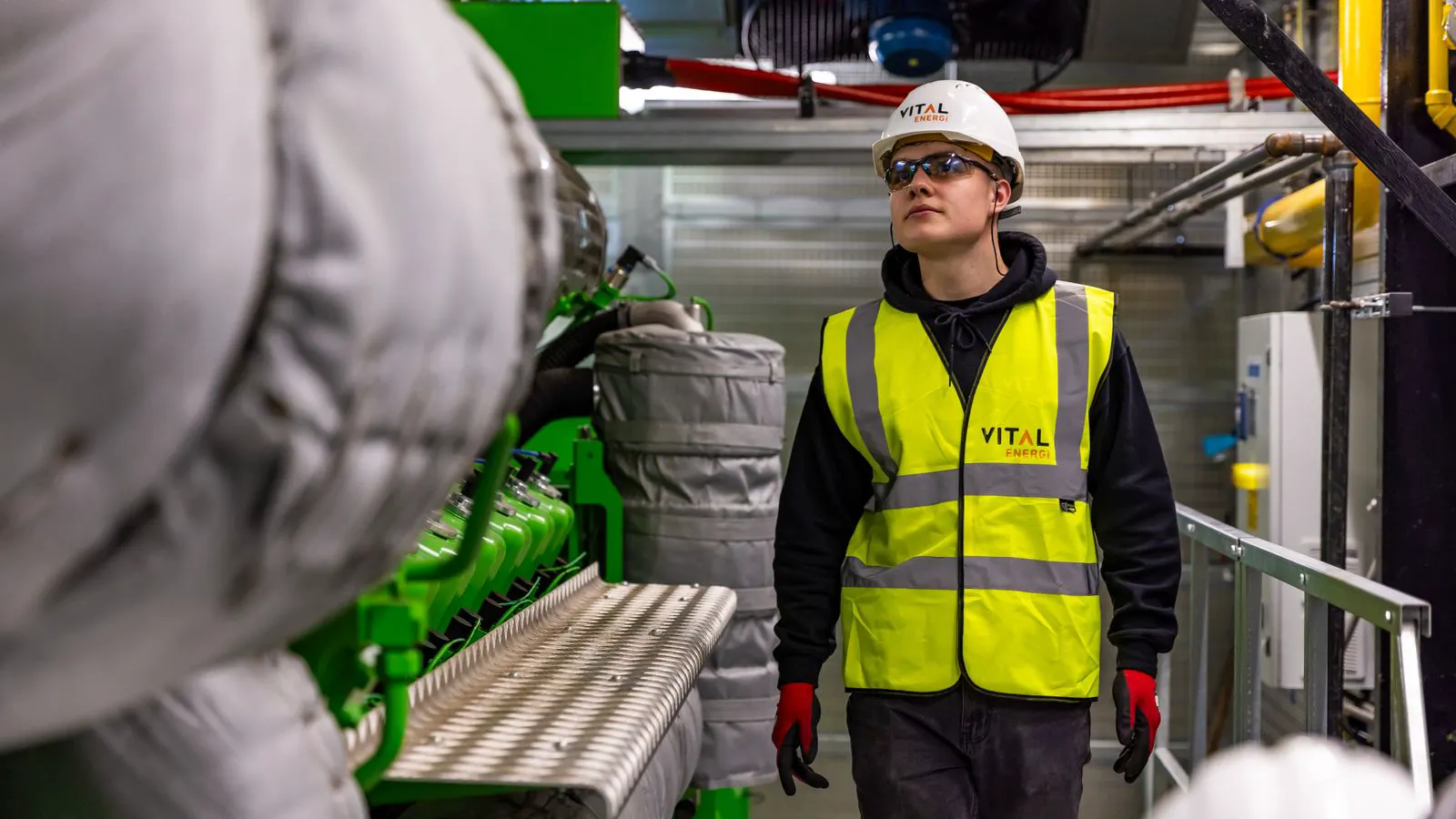
Third-party inspectors bring objectivity and standardized checks, while in-house staff offer speed and cost control. The best approach depends on your order volume, risk
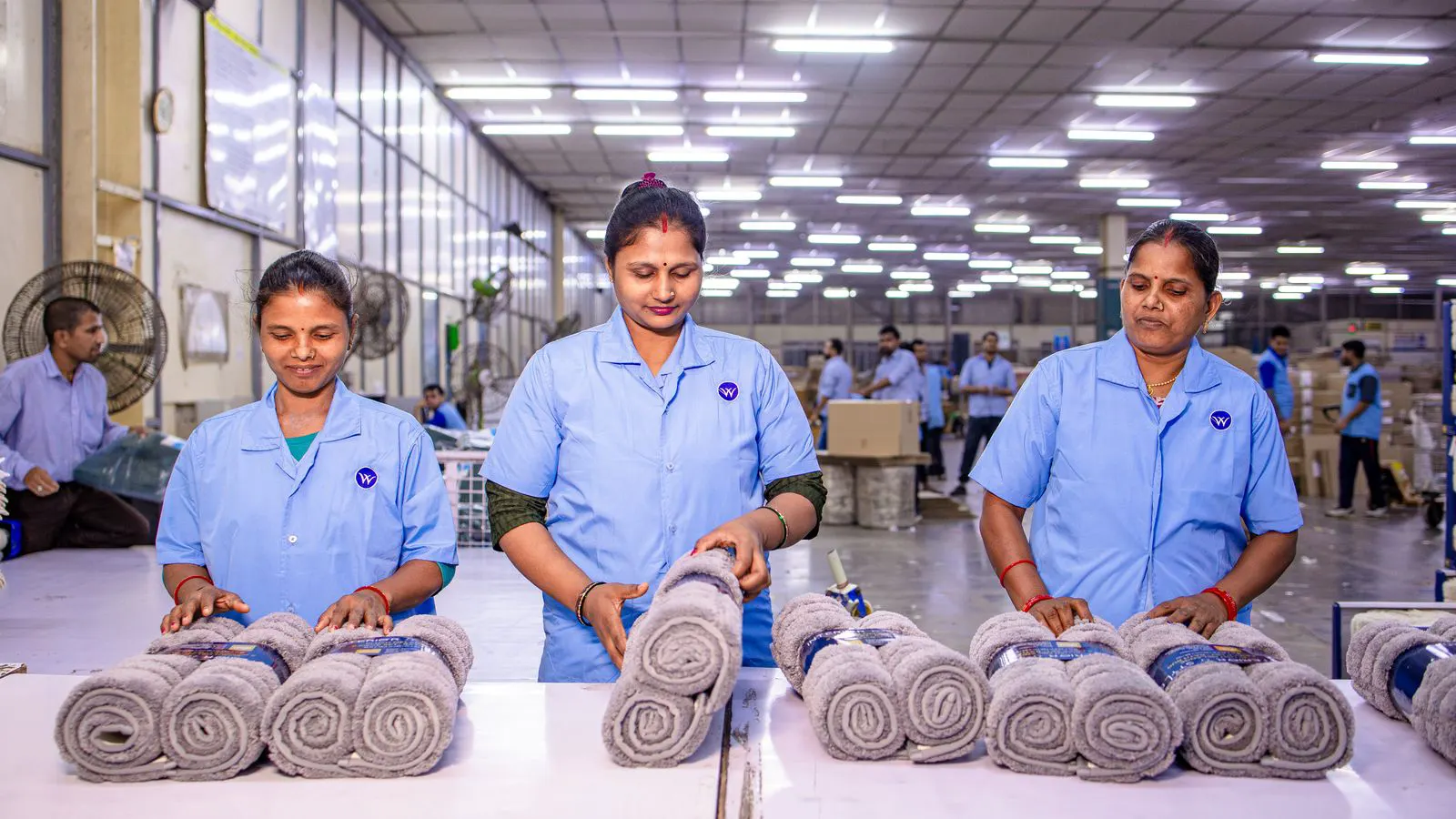
A footwear quality control plan works when you define clear inspection points, train operators on specific standards, and track data by defect type. This guide walks

Factory quality audits are moving away from simple checklists toward digital records, risk scoring, and continuous monitoring. This guide outlines five practical shifts
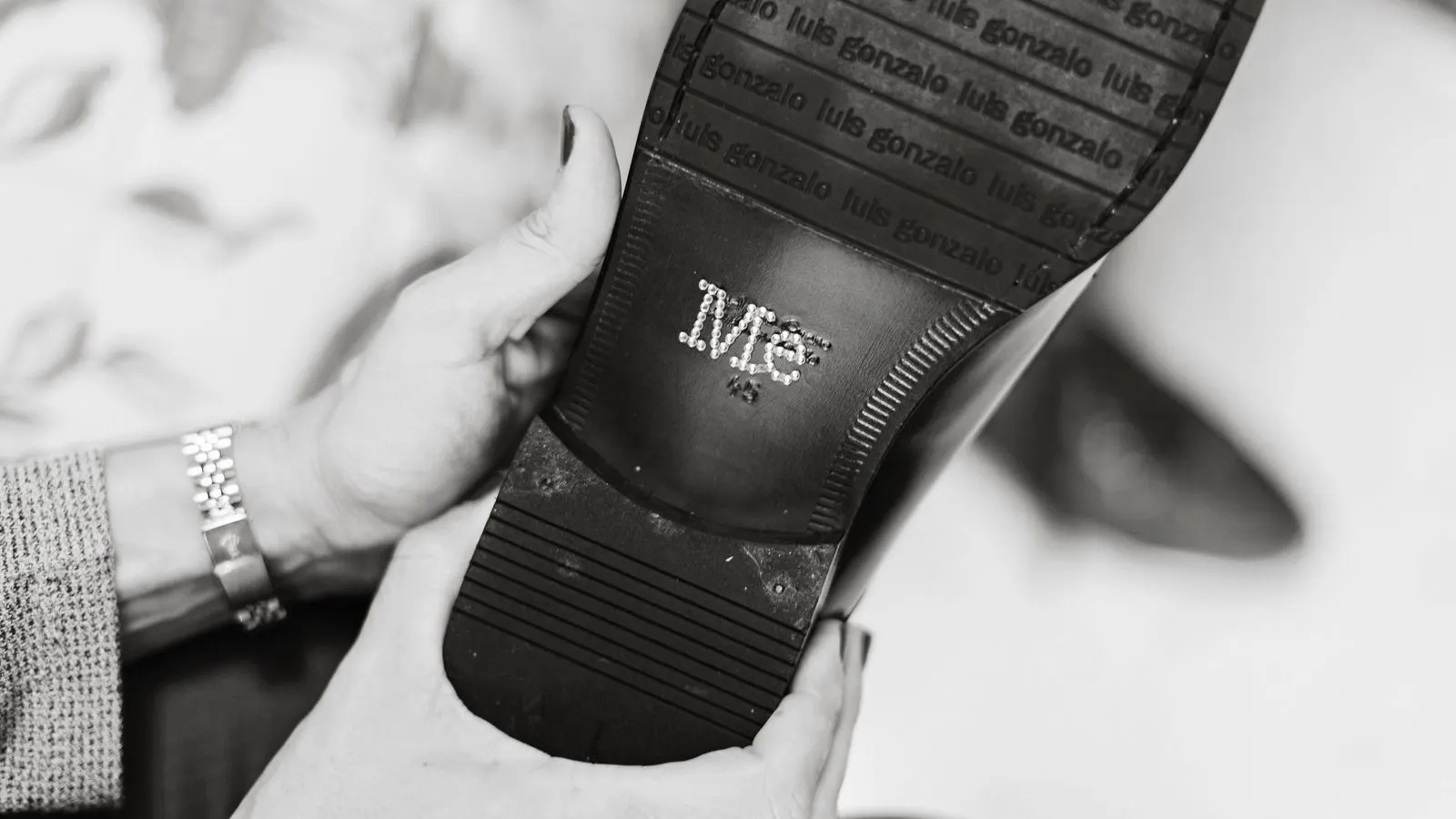
A pre-shipment inspection checklist helps importers catch defects before freight costs. This guide breaks down shoe inspection standards into material, assembly, and

Reduce footwear production costs by tightening specifications, using factory quality audits, and standardizing materials. Clear RFQs and fair quote comparison prevent