2026 Trends in Sustainable Last Manufacturing

Sustainable last manufacturing is changing how buyers specify materials and tooling. This guide outlines five practical shifts in last manufacturing. It explains how to prepare your supply chain for eco-friendly lasts and sustainable footwear requirements.
- Buyers should audit current last materials to identify recyclable or biodegradable options.
- Specify tooling lifespan and maintenance schedules to reduce waste from worn lasts.
- Request material certifications and waste data from last manufacturers.
- Plan for hybrid lasts that balance cost, durability, and environmental impact.
- Align last specifications with end-of-use footwear recycling programs.
Material Shifts in Last Manufacturing
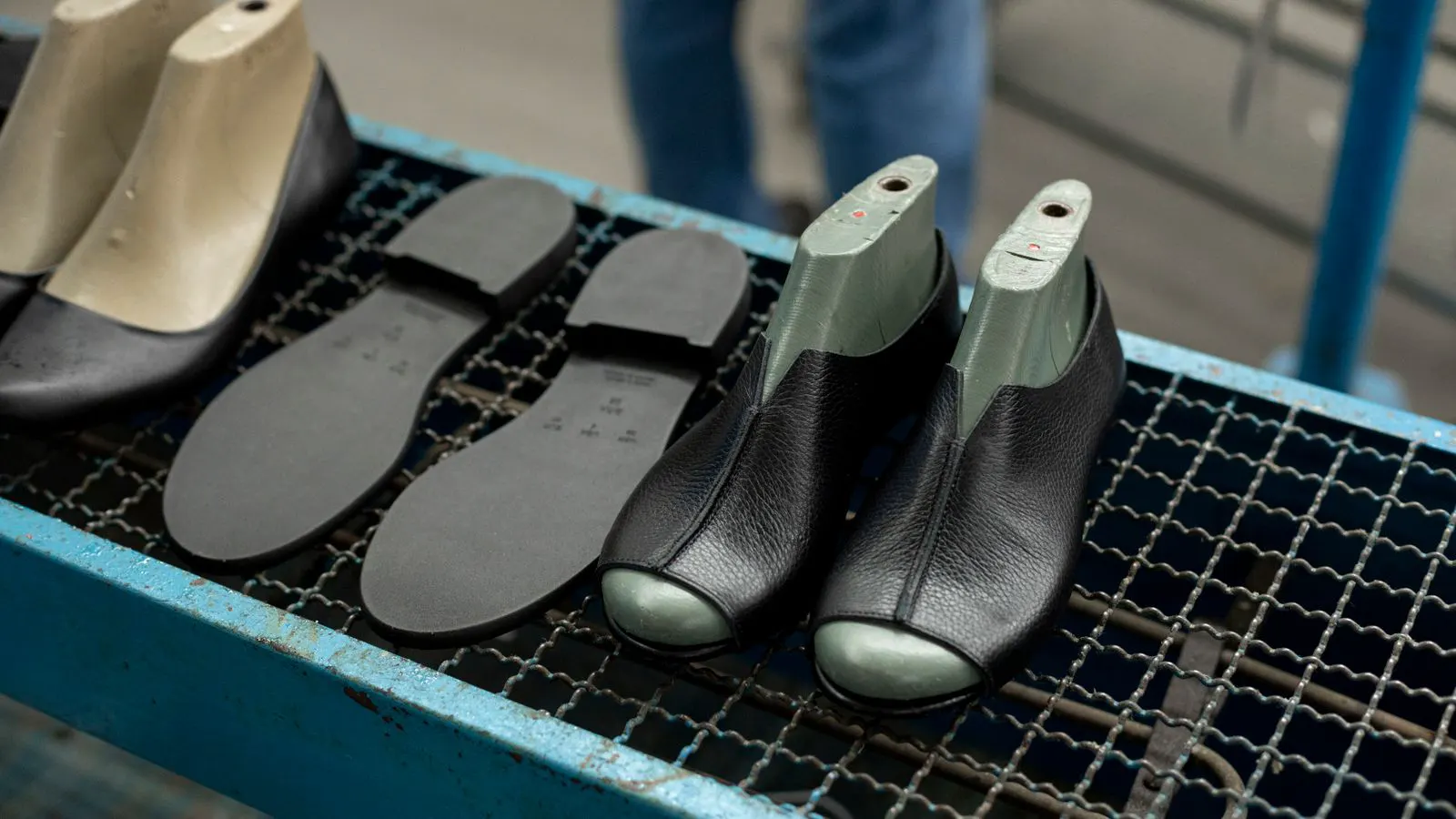
The core material in last manufacturing is shifting away from standard solid wood toward engineered alternatives. Many manufacturers are now testing laminated panels, recycled wood composites, and bio-based resins. These materials reduce the demand for fresh timber while maintaining the dimensional stability needed for pressing.
Buyers should understand that material changes affect the entire production line. A last made from a low-density composite may require different storage humidity controls. It may also need different surface treatments to resist moisture from wet adhesives or insoles. The transition is not merely a swap of raw inputs. It changes the handling, drying, and finishing protocols that follow. When a supplier switches from a single species of hardwood to a multi-layer laminate, the shrinkage rates during oven drying will differ. A solid wood last expands and contracts uniformly with humidity changes. A laminated panel is engineered to lock those layers together, but the interface between the layers remains a potential failure point under repeated thermal stress.
The shift is not just about using green material. It is about how that material behaves during repeated use. Engineers need to track how many press cycles a last can survive before its shape distorts. A wooden last may wear differently than a composite one. The surface finish, grain direction, and joint construction all matter.
Consider a standard last used for a leather upper. The upper is wet and heavy during the initial pressing stage. The material of the last must withstand this moisture load without swelling at the toe cap or the heel counter. Solid wood handles this through its natural cell structure, which absorbs and releases water. Engineered composites often rely on a resin binder to maintain rigidity. If the resin is not fully cured or if the humidity in the factory exceeds the material’s tolerance, the surface may become tacky or soft. This stickiness transfers to the next pair of shoes, causing adhesion defects. Buyers must ask suppliers for data on the last’s moisture absorption rate and its recovery time after exposure to wet glue. A last that swells by one millimeter during a press cycle may seem minor in isolation, but over a thousand cycles, that tolerance drifts into non-conformity.
Tooling Design for Reduced Waste
Last manufacturing is moving toward designs that minimize material removal. Computer numerical control milling allows for tighter tolerances and less offcut. Some shops now use additive manufacturing for certain last components, though this is limited to specific applications.
The practical benefit is lower scrap rates. When a last is milled from a solid block, a significant portion of the wood is discarded as shavings and offcuts. With optimized milling paths and nested designs, that waste drops. Buyers can ask suppliers to share scrap percentages as part of their sustainability reporting.
Design also affects tool life. Lasts that require fewer finishing operations put less strain on sanding belts and polishing tools. A well-designed last reduces the need for secondary repairs. This lowers energy use and extends the life of the tooling.
The geometry of the last plays a direct role in tool wear. A last with sharp internal corners or deep recesses for insole attachment forces the CNC bit to work harder in confined spaces. These areas are prone to chipping the bit edge, which results in a rough finish on the last surface. When the surface is rough, the next stage of manufacturing, which involves sanding and polishing, takes longer. This consumes more electricity and generates more dust. Designing a last with a minimum radius on internal corners, even if it is only a few millimeters, can significantly extend the life of the milling tool.
Additive manufacturing, or 3D printing, is entering the space for specific last types. This technology is currently best suited for complex internal structures or for small batches of prototyping. Printing a full production last from a solid block is not yet cost-effective for high-volume footwear. However, printing specific inserts or reinforcing cores for difficult shapes is becoming more common. This allows manufacturers to reduce the amount of solid material used in the core while maintaining the necessary structural integrity for pressing. The challenge here is the surface finish. Printed parts often require secondary finishing to achieve a smooth surface that does not snag leather or fabric during the last-to-shoe assembly.
Energy and Process Efficiency
Energy use in last manufacturing is concentrated in milling, drying, and finishing. Many manufacturers are replacing older air compressors with variable frequency drives to reduce idle consumption. Drying ovens are being upgraded to use heat recovery systems that recapture warmth from exhaust air.
Buyers can influence this by specifying production batches that match supplier capacity. Large, irregular orders create inefficiencies. Smaller, predictable orders allow factories to schedule energy-intensive processes more efficiently. This does not always reduce the cost per unit, but it reduces the carbon footprint per unit.
The process also extends to water use. Traditional wood finishing often uses water-based finishes that generate wastewater. Some manufacturers are moving to dry finishing techniques or solvent-free coatings. These changes require careful testing to ensure the last surface still resists moisture from shoe components.
The drying process is often the most energy-intensive step in last production. Wood contains moisture that must be removed to prevent warping during storage and use. Traditional drying involves slow, low-temperature ovens that run for days. Newer systems use heat exchangers to capture the energy from the exhaust air and recirculate it. This can reduce the energy required for a full drying batch by a substantial margin. However, the temperature profile must be controlled precisely. If the wood dries too quickly on the outside, it can crack or shrink unevenly. This requires sophisticated sensors and automated control systems, which increase the initial capital cost of the equipment but lower the long-term operational cost.
Water use in finishing is another area of concern. Water-based finishes are often preferred for their lower environmental impact compared to solvent-based alternatives. However, they require large volumes of water for application and cleaning. The wastewater generated from these processes contains resins and pigments that must be treated before disposal. Some manufacturers are adopting dry finishing techniques, such as powder coating or UV-cured varnishes, which use little to no water. These coatings cure quickly and create a hard, durable surface. The trade-off is that they may not provide the same flexibility or aesthetic appeal as traditional varnishes. Testing is required to ensure that the finish does not interfere with the adhesion of the insole or the comfort of the wearer.
Supplier Collaboration and Traceability
Sustainable footwear requires visibility into the last supply chain. Buyers are increasingly asking for documentation of wood origin, resin sourcing, and factory energy sources. This is not a one-time request. It is an ongoing expectation.
A practical step is to request a material declaration form from each last supplier. This form should list the primary material, any additives, and the expected service life. It should also note any known allergens or hazardous substances. This information helps you comply with regional regulations and supports your sustainability reporting.
Collaboration also means sharing design intent early. If you plan to use a last in a specific environment, such as a wet factory floor, tell the supplier. They can adjust the material or finish accordingly. This prevents failures that would otherwise force you to return defective lasts.
Traceability extends beyond the raw material to the manufacturing process. Knowing where the wood comes from is only part of the story. Buyers need to know how the wood was processed, what adhesives were used to bind the panels, and what energy sources powered the factory. A supplier may source wood from a certified forest, but if their factory relies heavily on coal-fired electricity, the overall environmental footprint remains high.
The material declaration form is a critical document in this process. It should be a standardized document that every supplier provides. It should list the exact species of wood, the grade of the composite, and the type of resin used. It should also include the expected service life of the last in press cycles. This data allows you to calculate the cost per cycle and compare it against other suppliers. It also helps you plan for replacement. If a last is expected to last 500 cycles, and you use it for 1000 cycles, you are exceeding its design life and may be at risk of quality issues.
Sharing design intent early is equally important. If your factory uses high-humidity environments for wet tanning, the last must be able to withstand that moisture without delaminating. If you use a specific type of insole that has a high moisture content, the last surface must be sealed accordingly. By providing this information to the supplier during the design phase, you can avoid costly rework and defects. It also allows the supplier to adjust their manufacturing process to meet your specific needs.
Planning for the Next Five Years
The trajectory of last manufacturing trends points toward greater material diversity and tighter integration with footwear recycling. As end-of-life footwear programs expand, the composition of the last becomes more important. A last that cannot be separated from the shoe or recycled may become a liability.
Buyers should plan for hybrid last options. Some lasts may use a bio-based core with a recycled outer shell. Others may use a standard wood core with a biodegradable coating. The best choice depends on your production volume, quality requirements, and sustainability targets.
Prepare your supply chain by qualifying at least two suppliers for each material type. This gives you flexibility if one supplier changes its sourcing or capacity. It also allows you to benchmark performance data, such as dimensional stability over time and surface wear rates.
The rise of recycling initiatives is changing the requirements for last materials. In the past, the last was a disposable component, often discarded after its service life. Now, regulations and consumer expectations are pushing for materials that can be recovered or repurposed. A last made from a complex mixture of resins and plastics may be difficult to recycle. A last made from a single material, such as a bio-based polymer or a treated wood, may be easier to process in a recycling stream.
Hybrid last options are emerging to address this challenge. These lasts combine the structural strength of traditional wood with the environmental benefits of recycled or bio-based materials. For example, a last might have a core made from recycled wood fibers and a shell made from a biodegradable resin. This combination allows the last to meet the structural demands of pressing while reducing its environmental impact. The key to success is ensuring that these materials can be separated at the end of life. If the shell cannot be removed from the core, the entire last may end up in a landfill.
Qualifying multiple suppliers is a standard practice in any supply chain, but it is even more important in this context. The market for sustainable last materials is still developing. Suppliers may change their sourcing strategies or face capacity constraints. By having multiple qualified suppliers, you can maintain production continuity. You can also benchmark performance data across suppliers. This data includes dimensional stability over time, surface wear rates, and moisture resistance. This information helps you make informed decisions about which materials and suppliers are best suited for your specific needs.
How to Prepare Your Specification
Update your last specifications to include sustainability criteria. Specify the material type, maximum moisture content, and acceptable finish. Include a requirement for suppliers to provide test reports on dimensional stability and surface hardness.
Create a waste tracking template. Record the weight of offcuts, the number of press cycles per last, and the disposal method for worn lasts. This data will help you identify where waste can be reduced. It also provides a baseline for future comparisons.
Train your receiving team to inspect lasts for material consistency. Look for warping, delamination in composites, and uneven finish. Document any defects with photos and batch numbers. This information helps you hold suppliers accountable and improves future specifications.
The specification is the contract between you and your supplier. It must be precise and actionable. Instead of stating that you want a sustainable last, specify the exact materials and properties required. For example, you might specify that the last must be made from FSC-certified wood or a composite with a minimum recycled content of 50 percent. You should also specify the maximum moisture content allowed for the last, which is typically around 8 to 10 percent. A last with higher moisture content is more prone to warping and has a shorter service life.
Waste tracking is a practical tool for improving efficiency. By recording the weight of offcuts generated during milling, you can identify where waste is highest. If a specific design or material consistently produces more waste, you can investigate the cause. Is the design inefficient? Is the material difficult to mill? Is the CNC machine not calibrated correctly? This data allows you to make targeted improvements. You should also track the number of press cycles each last survives before it is retired. This data helps you determine the true cost per cycle and identify lasts that are failing prematurely.
Training the receiving team is a critical step in quality control. The team must be able to identify defects that are not immediately obvious. For example, a composite last may appear smooth on the surface but have internal delamination that will fail under pressure. A wooden last may have a small crack that is not visible until it is subjected to repeated stress. By documenting these defects with photos and batch numbers, you can provide your supplier with clear evidence of the problem. This information helps you negotiate improvements and refine future specifications.
Common Mistakes in Sustainable Last Selection
The most common mistake is prioritizing cost over lifecycle value. A cheaper last may require more frequent replacement or cause defects in the footwear. This creates hidden waste and higher overall cost.
Another mistake is ignoring storage conditions. A sustainable last that is stored in a damp environment may degrade faster. Specify the required storage humidity and temperature range. Provide guidance to your warehouse team on how to stack and handle lasts.
A third mistake is assuming that all sustainable lasts are identical. They are not. Different materials have different strengths and weaknesses. A composite last may be lighter but less durable. A bio-based wood last may be more sustainable but more sensitive to moisture. Test samples before committing to a large order.
Lifecycle value is a key concept in sustainable last selection. A last that is cheaper to buy but lasts for only 200 cycles is more expensive than a last that costs more but lasts for 800 cycles. You must calculate the cost per cycle, taking into account the purchase price, the cost of maintenance, and the cost of disposal. A last that causes defects in the footwear due to poor surface quality or dimensional instability adds even more hidden costs. These costs include rework, scrap, and customer complaints.
Storage conditions are often overlooked. A sustainable last may be designed to withstand moisture during the pressing process, but it may be sensitive to humidity during storage. If the last is stored in a damp environment, it may absorb moisture and swell. This can cause the last to lose its shape and become difficult to handle. It may also cause the surface finish to peel or crack. By specifying the required storage humidity and temperature range, you can prevent these issues. You should also provide guidance to your warehouse team on how to stack and handle lasts. Proper stacking prevents pressure points and deformation. Proper handling prevents damage to the surface finish.
Assuming that all sustainable lasts are identical is a dangerous assumption. Different materials have different properties. A composite last may be lighter and more consistent in its dimensions, but it may not have the same surface texture as a wooden last. A bio-based wood last may be more sustainable, but it may be more sensitive to moisture and temperature changes. Testing samples before committing to a large order is the only way to ensure that the last meets your requirements. You should test the sample for dimensional stability, surface hardness, moisture resistance, and service life. This data will help you make an informed decision and avoid costly mistakes.
Final Considerations for Buyers
The goal of sustainable last manufacturing is not to replace all traditional materials overnight. It is to reduce waste, extend tool life, and align with broader footwear recycling goals. The shift is gradual. It requires careful testing, supplier collaboration, and clear specifications.
Start with a pilot order of eco-friendly lasts for one of your products. Track performance, cost, and waste over several months. Compare the results with your current standard lasts. Use this data to build a case for wider adoption.
The direction is clear. Last manufacturing is moving toward materials and processes that reduce environmental impact. Buyers who plan now will have a smoother transition. Those who wait will face higher costs and tighter supply constraints.
The transition to sustainable last manufacturing is a long-term project. It requires a shift in mindset from a focus on short-term cost to a focus on long-term value. It requires a shift from a focus on the last as a single component to a focus on the last as part of a larger system. By taking these steps, you can reduce your environmental impact while maintaining the quality and efficiency of your production process.
Frequently asked questions
Can I use recycled wood in last manufacturing?
Yes, recycled wood composites are being used in last manufacturing. They must meet dimensional stability requirements for your production process.
How do I verify that a last is truly sustainable?
Ask for a material declaration form and test reports. Look for documentation on material origin, energy use, and end-of-life disposal options.
What is the difference between a bio-based last and a composite last?
A bio-based last uses plant-derived materials. A composite last uses a mix of fibers and resins. Both can be sustainable, but they have different performance characteristics.
How often should I replace a sustainable last?
Replacement depends on the material, production volume, and storage conditions. Track press cycles and inspect for wear regularly.
Do sustainable lasts cost more than standard wooden lasts?
They often have a different cost structure. The price may be higher per unit, but lower waste and longer tool life can reduce total cost over time.