Explaining Last Composition and Materials
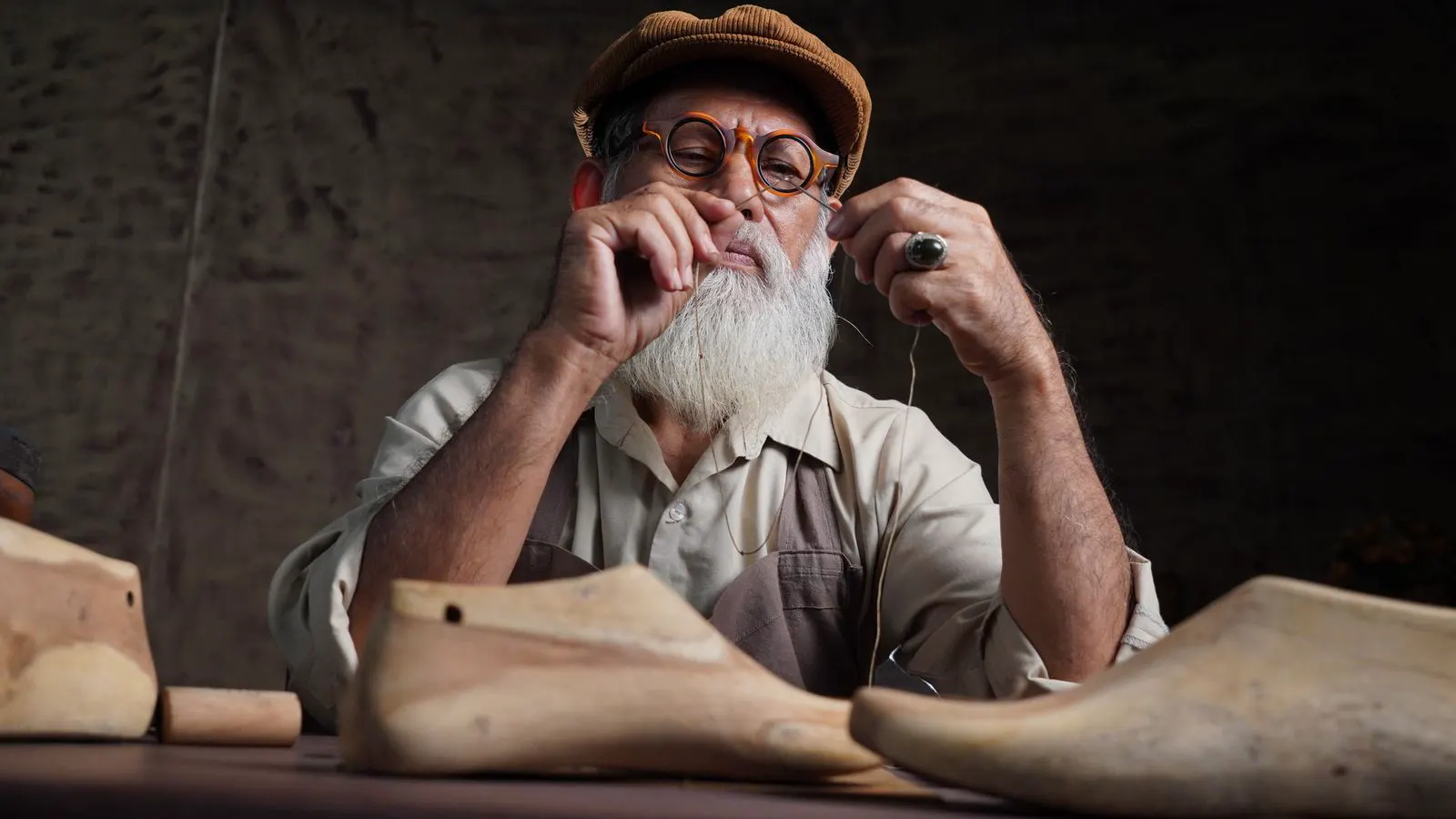
A last is the form used to shape a shoe. Its material and construction directly influence the final fit, durability, and production workflow. Choosing the right last composition depends on volume, style, and quality requirements.
- Last material affects heat retention, weight, and the ability to hold fine details.
- Wood lasts offer durability and precision but require more tooling and maintenance.
- Foam lasts provide low cost and speed but wear faster under high-volume production.
- Sourcing decisions must account for lead time, tooling costs, and expected production volume.
- Regular inspection of last composition is required to maintain sizing consistency across batches.
What Is a Last and Why Does It Matter
A last is the internal form used to shape the upper and sole of a shoe during construction. It is the physical template that defines volume, length, width, and height of the finished product. The material and construction of this form determine how well the upper stretches, how the sole attaches, and how the finished shoe performs over time.
Engineers and buyers often view lasts as simple molds. In reality, each component influences the manufacturing process. A poorly chosen last material can lead to inconsistent fit, higher rejection rates, and costly rework. The goal is to match the last composition to the specific demands of the style, volume, and quality standard required.
How Does Last Material Affect the Final Shoe
The material used to make a last interacts with the upper material and the construction method. Different materials absorb heat, expand, and wear in distinct ways. These properties transfer to the final shoe.
For example, a last made from a dense material holds its shape well under repeated use. A last made from a softer material may compress over time, changing the internal volume. This compression can make the final shoe slightly smaller than intended. If the compression is uneven, the fit may feel tight in one area and loose in another.
Heat is another factor. During the cementing or molding process, heat is often applied to bond the upper to the sole. The last absorbs this heat. If the material absorbs heat quickly, it may cool the upper too rapidly, affecting the setting of adhesives. If it retains heat, it may keep the upper warm longer, potentially changing how the material relaxes and shapes.
Weight also matters. A heavy last requires more force to remove the finished shoe. This can stress the seams and attachments. A lighter last eases this process but may lack the rigidity needed for precise shaping.
Wood vs Foam Lasts: Key Differences
Wood and foam are the two most common materials for shoe lasts. Each has distinct advantages and limitations.
| Feature | Wood Lasts | Foam Lasts |
|---|---|---|
| Durability | High. Can withstand thousands of cycles. | Low to medium. Wears down faster. |
| Detail Retention | Excellent. Holds fine lines and curves. | Moderate. Can lose fine detail over time. |
| Weight | Heavier. | Lighter. |
| Heat Management | Absorbs heat slowly. | Absorbs heat quickly. |
| Tooling Cost | Higher initial setup. | Lower initial setup. |
| Maintenance | Requires drying and waxing. | Requires inspection for deformation. |
Wood lasts are often the standard for leather boots and dress shoes. The density of the wood allows for precise carving of the forefoot, heel, and instep. Because wood is stable, it maintains its dimensions even after repeated use. This makes it suitable for high-volume production where consistency is a priority.
Foam lasts are common in casual footwear, sneakers, and low-cost styles. The material is easier to machine and cheaper to produce. This lowers the cost of tooling and shortens lead time. However, foam is porous and less dense. Over time, it can deform, especially if the last is left in a warm environment or if the removal process is aggressive.
How Last Composition Influences Sourcing Decisions
When sourcing a last, the material choice is not just a technical decision. It is a supply chain decision. The material determines the supplier, the lead time, and the maintenance requirements.
Wooden lasts typically require a supplier with access to specific hardwoods and skilled carvers. The tooling process involves carving the last from a solid block. This takes longer than machining foam. As a result, lead times for custom wooden lasts are generally longer. However, once produced, they are durable and can be used for extended production runs.
Foam lasts are often produced by CNC machines or 3D printing. The process is faster and can be adjusted more easily if design changes are needed. This flexibility is useful for small batches or prototype development. For mass production, however, the wear rate of foam becomes a concern. Buyers must account for the cost of replacing foam lasts periodically.
There are also hybrid options. Some lasts are made from a wood core with a foam or plastic coating. This combines the durability of wood with the ease of use of foam. The choice depends on the specific needs of the production line.
A Worked Example
Consider a manufacturer producing a leather ankle boot in a run of 5,000 pairs. The style requires a precise fit around the ankle and a structured heel. The production line uses a cementing process, which involves applying adhesive and heat.
If the manufacturer chooses a foam last, the initial cost is lower. However, the foam may compress after a few hundred pairs. The internal volume of the last decreases, causing the upper to stretch tighter than intended. The final boots may feel snug, leading to customer complaints. To fix this, the manufacturer might need to replace the lasts, incurring additional cost and downtime.
If the manufacturer chooses a wooden last, the initial cost is higher, and the lead time is longer. However, the wood holds its shape. The heat from the cementing process is absorbed slowly, allowing the adhesive to set properly. The upper stretches evenly, resulting in a consistent fit. Over the course of the 5,000 pairs, the wooden lasts remain in good condition, reducing the need for replacement.
This example illustrates how last composition affects the final product and the operational efficiency of the production run. The choice is not just about the material itself, but about how it interacts with the construction process and the volume of production.
How to Evaluate Last Composition for Your Style
When evaluating a last, consider the following factors:
- Upper Material: Leather requires a more precise last than synthetic or knit materials. The last must accommodate the stretch of the leather without causing excessive tension.
- Construction Method: Cemented, stitched, or welted shoes have different requirements. Cemented shoes are often more sensitive to heat and moisture, so the last material must manage these factors.
- Production Volume: Low-volume runs may benefit from the speed and low cost of foam lasts. High-volume runs often justify the higher cost of wooden lasts due to their durability.
- Storage Conditions: Lasts stored in humid environments may warp. Wood is more sensitive to humidity than foam. Proper storage is critical for both materials.
- Quality Standards: If the final shoe is for a high-end market, the precision of the last is critical. Wooden lasts generally offer better precision and detail retention.
By assessing these factors, engineers can make a more informed decision about last composition. The goal is to find a balance between cost, quality, and operational efficiency.
Common Mistakes in Last Selection
One common mistake is choosing a last based solely on cost. A cheaper foam last may save money upfront but lead to higher rejection rates and rework costs. Another mistake is ignoring the storage conditions. If lasts are stored in a hot or humid environment, they may degrade faster, regardless of material.
Engineers should also avoid using a single last design for multiple styles. Each style has unique fit requirements. A last that works for a flat shoe may not work for a boot with a higher collar. Customizing the last for each style ensures a better fit and reduces customer complaints.
Regular inspection is also necessary. Even high-quality lasts can wear down over time. A simple check of the dimensions and surface condition can prevent issues before they become a problem.
Frequently asked questions
Can you use the same last for different styles?
No. Each style has different fit requirements. A last designed for a flat shoe will not work well for a boot. Customizing the last for each style ensures a better fit.
How often should lasts be inspected?
Inspect lasts regularly, especially after each production run. Check for dimensional changes, surface damage, and signs of wear. This helps maintain consistency.
What is the main difference between wood and foam lasts?
Wood lasts are durable and precise, making them suitable for high-volume production. Foam lasts are cheaper and faster to produce but wear down faster.
Does the last material affect the adhesive?
Yes. The material absorbs heat and moisture differently. This can affect how the adhesive sets and bonds to the upper.
How do you choose the right last material?
Consider the upper material, construction method, production volume, and quality standards. Match the last material to the specific demands of the style.