Cost and Lead Time for Custom Lasts
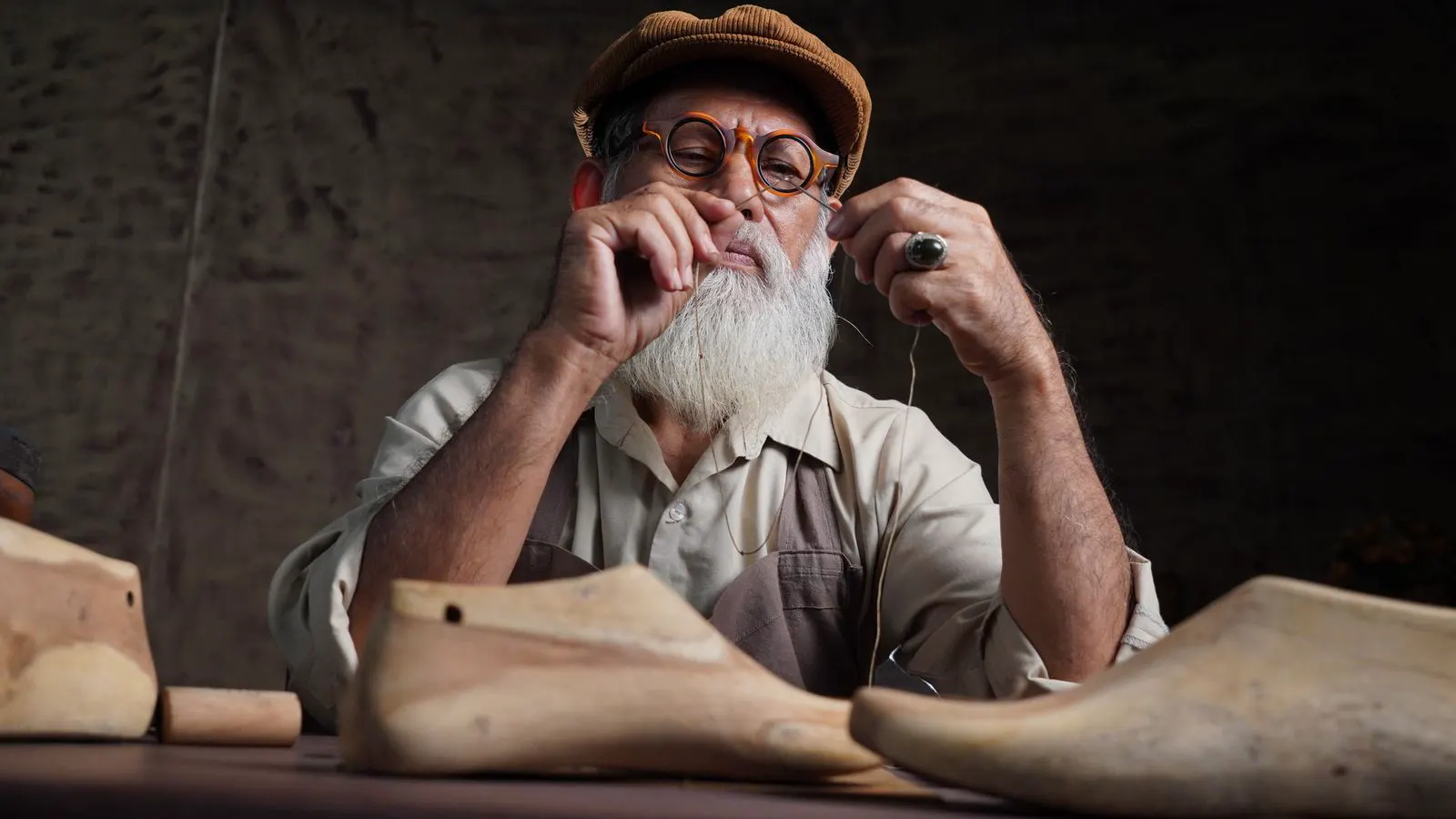
Custom last costs and lead times depend on material, complexity, and tooling. A clear RFQ specifying dimensions, volume, and tolerances allows fair quote comparison. Manufacturing economics favor stable volumes and simple geometries.
- Last manufacturing prices rise with material complexity, tooling needs, and tolerance requirements.
- A precise RFQ with drawings and volume estimates reduces quote variance and accelerates approval.
- Lead time is driven by design approval, material sourcing, and finishing steps, not just carving time.
- Manufacturing economics favor repeat orders and standard tooling over one-off designs.
- Compare quotes by isolating tooling, labor, material, and revision costs rather than total price alone.
Procurement teams often underestimate the financial and schedule impact of custom lasts. A last is not just a mold. It is a precision tool that dictates fit, comfort, and production yield for an entire footwear line. Getting the cost and lead time wrong can stall a launch, inflate prototype costs, and create sizing inconsistencies that require expensive fixes later.
What Drives Custom Last Cost
The price of last manufacturing is built from several distinct components. Tooling, material, labor, and finishing all contribute, but their relative weight changes depending on the project.
Tooling is the largest fixed cost in many cases. If a last requires CNC milling, injection mold creation, or custom metal patterns, the investment in these tools is significant. A simple wooden last may need only hand carving tools. A complex synthetic last for high-volume production requires precision molds that can take weeks to develop.
Material selection directly affects price. Wood is traditional and offers good dimensional stability. EPP (expanded polypropylene) is lighter and often cheaper for high-volume production. Rubber lasts are durable but harder to modify. Each material carries different processing costs. Wood requires drying and finishing. EPP requires foam cutting or molding. Rubber requires vulcanization or molding.
Labor intensity varies by complexity. A basic dress shoe last may take a skilled carver a few days. An orthopedic last with custom internal structures or a boot last with complex heel angles requires more hours. The skill level of the technician matters. Experienced last makers produce cleaner surfaces and tighter tolerances, which reduces rework.
Finishing adds to the final cost. Surface treatment, painting, or adding metal eyelets for hanging all require extra steps. If the last needs to pass strict quality checks for a specific brand standard, additional inspection time is built in.
What Affects Last Lead Time
Lead time is often longer than buyers expect. It is not just the time to carve the last. It is the entire cycle from first sketch to final delivery.
The initial phase is design and approval. You must provide reference drawings, dimensions, and target sizes. The last maker interprets these inputs into a 3D model or physical prototype. This stage requires back-and-forth communication. If your specifications are vague, the maker makes assumptions. Those assumptions often lead to revisions.
Prototype creation is the next step. A sample last is produced, usually in wood or foam. This is sent to you for fitting. You test it with upper materials and insoles. If the fit is wrong, the maker modifies the sample. Each revision cycle adds days or weeks to the schedule.
Tooling and production come after the sample is approved. For high-volume runs, the maker builds the final tooling. This can take longer than the sample stage. Once tooling is complete, the final lasts are produced in quantity.
Logistics and quality control are the final steps. The lasts are inspected, packaged, and shipped. International shipping adds transit time. Customs clearance can introduce delays.
How to Write a Clear RFQ
A vague request for “a new last” leads to high prices and slow responses. A well-structured RFQ gives the supplier exactly what they need to price the job accurately.
Include these elements in your request for quotation:
- Product type and intended use. Specify if the last is for dress shoes, sneakers, boots, or orthopedic footwear.
- Target volume. State the expected number of units per year. Volume affects tooling decisions and unit cost.
- Material preference. If you have a preferred material, list it. If not, ask for options.
- Size range. Specify the minimum and maximum sizes, and the increments (for example, half sizes or full sizes).
- Tolerance requirements. Define how close the dimensions must be to your target.
- Deliverables. Clarify if you need sample lasts, production lasts, and any tooling ownership.
- Timeline. State your target date for sample approval and final delivery.
Attach detailed drawings. Side profiles, top views, and heel height specifications help the maker reduce guesswork. If you have a reference last, send photos or a physical sample. The more information you provide, the fewer assumptions the supplier makes.
How to Compare Quotes Fairly
Two quotes for the same last can look very different. Do not compare only the total price. Break down the cost structure.
Ask for a detailed quote that separates:
- Tooling costs
- Sample costs
- Unit cost
- Labor and finishing
- Shipping and packaging
- Revision fees
Tooling costs are often one-time. If you plan to produce for several years, the tooling cost spreads across a larger volume. A quote with high tooling and low unit cost may be better for long-term production than a quote with low tooling and high unit cost.
Sample costs are sometimes waived if you proceed to production. Check this clause. Revision fees are often charged after the first two or three revisions. Define what happens if the fit is still wrong after multiple cycles.
Compare suppliers based on their understanding of your product. A quote that references your specific upper materials, target insole thickness, and brand fit standards shows the supplier has done their homework. A generic quote that does not mention these details may indicate a lack of experience.
Manufacturing Economics and Volume
The economics of last manufacturing change with volume. Low-volume, one-off projects have higher unit costs because the fixed costs of design and tooling are spread over few units. High-volume production amortizes these costs.
If you are producing under a few hundred pairs per year, consider using existing lasts or modifying standard patterns. If you are producing thousands of pairs, investing in custom tooling pays off. The break-even point depends on the complexity of the last and the material used.
Consider the life of the last. A well-made wooden last may survive a few thousand uses. A metal or synthetic last may last longer. Factor in replacement costs when calculating the total cost of ownership. A cheaper last that wears out quickly may cost more over time than an expensive one that lasts.
Also consider the impact on production. A last that is difficult to work with can slow down the assembly line. Workers may need more time to attach uppers or trim excess material. This hidden cost can exceed the price difference between two lasts.
Cost and Lead Time Comparison Table
The table below outlines typical cost and time drivers. Use it as a checklist when reviewing quotes.
| Cost Driver | Impact on Price | Impact on Lead Time | Notes |
|---|---|---|---|
| Material Type | High | Medium | Wood, EPP, and rubber have different processing costs and drying times. |
| Tooling Complexity | High | High | CNC and injection molds require longer setup and approval cycles. |
| Tolerance Requirements | Medium | Medium | Tighter tolerances require more inspection and rework. |
| Volume | Medium | Low | Higher volume lowers unit cost but may increase tooling lead time. |
| Number of Sizes | Medium | Medium | Each additional size requires extra carving or tooling adjustments. |
| Revision Cycles | Medium | High | Each revision adds days or weeks to the schedule. |
Final Considerations for Procurement
Selecting a last supplier is a long-term decision. Look for a partner who communicates clearly and understands the downstream effects of last design. Ask for references from similar projects. Check their quality control process. Understand who owns the tooling and designs.
A clear RFQ and a fair comparison of quotes reduce risk. Do not rush the sample phase. A well-fitted sample prevents expensive errors in production. When you align expectations early, the financial and time commitments become manageable.
Frequently asked questions
What is the typical cost range for a custom last?
Costs vary widely based on material, complexity, and volume. Simple wooden lasts are less expensive than complex synthetic lasts with custom tooling. Always request a detailed breakdown to understand the cost structure.
How long does it take to get a custom last?
Lead time depends on the design approval and production steps. A simple last may take a few weeks. A complex last with multiple revisions and high-volume tooling can take several months.
Can I modify an existing last to save costs?
Yes, modifying an existing last is often cheaper and faster than creating a new one. This is a common strategy for low-volume production or when the fit is close to the target.
What is the best material for high-volume production?
Synthetic materials like EPP or rubber are often preferred for high-volume production due to durability and consistent production speed. Wood is still used for specific fit requirements or lower volumes.
How do I compare quotes from different last suppliers?
Break down the quote into tooling, sample, unit, and revision costs. Compare the total cost of ownership, not just the initial price. Check the supplier's experience with your specific product type.