Cost and Lead Time for Athletic Shoe Production
Athletic shoe cost depends on materials, labor, and complexity. Production lead time typically spans multiple months. This guide breaks down typical cost drivers and timelines, plus how to structure a clear RFQ and compare quotes from different manufacturers.
- Athletic shoe cost is driven by materials, labor, complexity, and order volume.
- Production lead time usually spans 12 to 18 weeks after sample approval.
- A clear RFQ with specifications, target price, and quantity reduces quote variance.
- Compare quotes by checking what is included, not just the unit price.
- Lead time is often longer for new designs than for repeat orders.
What Drives Athletic Shoe Cost
The price of an athletic shoe is not set by one variable. It comes from the sum of materials, labor, and the complexity of the construction process. A simple slip-on casual shoe and a technical running shoe with a layered midsole, engineered mesh upper, and molded outsole sit at different cost points. The difference is not just the label or the colorway. It is the number of components, the number of assembly steps, and the skill level of the labor involved.
When you ask a manufacturer for a quote, the number they give you covers several layers. Raw material costs are only part of the picture. You also pay for the labor that cuts the upper, sews the panels, attaches the midsole, and bonds or stitches the outsole. You pay for the factory overhead, the quality control checks, and the packaging. If the design requires special tooling, such as a custom last or a molded outsole die, that tooling cost is often spread over the initial order and then amortized on later runs.
Two shoes that look similar in a flat lay can have a large cost gap. One may use a standard EVA midsole and a knit upper that can be produced with fewer assembly steps. The other may use a layered midsole with a TPU overlay, a PU foam insole, and a stitched upper that requires more skilled labor. The first may cost a fraction of the second. The difference is the sum of small decisions made at the development stage.
How Production Lead Time Works
Production lead time is the calendar time from the point you approve the final sample to the point the goods are ready for shipment. For most athletic footwear, this period runs from 12 to 18 weeks after sample approval. It is not a single step. It is a sequence of production activities that each have their own duration.
The first phase is material procurement. The factory orders the upper material, the midsole foam, the outsole, the insole, the eyelets, the laces, and the labels. Some materials are standard and available in stock. Others are custom colors or special foams that must be produced to order. Custom materials add time. A standard EVA midsole in a common color is fast. A custom-foamed midsole in a specific shade may take several weeks just to arrive at the factory.
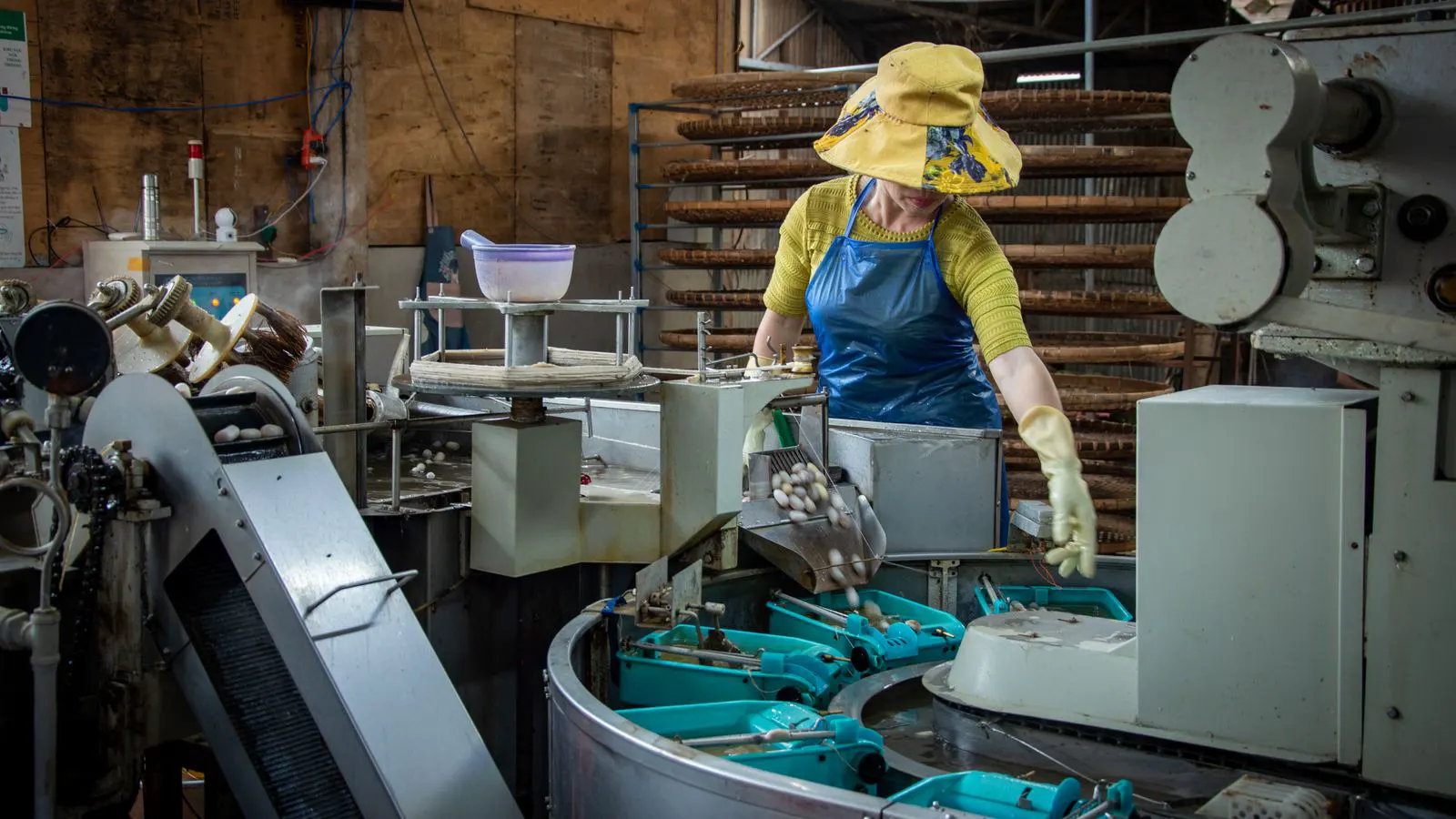
The second phase is the actual production run. Cutting, sewing, gluing, and quality inspection all take time. A factory may run a line that produces 300 to 600 pairs per day, depending on the complexity of the shoe. A simple casual shoe moves faster through the line than a technical athletic shoe with multiple glued and stitched components. The number of pairs per day directly affects how long the production run takes.
The third phase is packing and shipping. After production, the shoes are inspected, boxed, and palletized. If the order is for multiple SKUs, the factory must manage multiple colorways and sizes. Each SKU adds to the packing time. Shipping time is separate from production time, but it is part of the total timeline you need to plan for.
How to Write a Clear RFQ
A Request for Quotation that is vague produces a vague quote. If your RFQ does not specify the exact materials, the construction method, the quantity, and the target price, the manufacturer will have to make assumptions. Those assumptions show up in the quote. One supplier may assume a standard EVA midsole. Another may assume a layered PU midsole. The quotes will not be comparable.
A clear RFQ states the design, the materials, the quantity per size, the target unit price, and the desired delivery date. It names the upper material, the midsole material, the outsole material, and the insole type. It specifies the construction method, such as direct injection, stitching, or cementation. It lists the accessories, such as the type of eyelets, the lace material, and the label type. It states the quantity per size and the total order quantity. It gives a target price and asks the supplier to comment on whether that price is achievable.
A clear RFQ also includes the sample status. If you have a last and a sample, you tell the supplier. If you are developing a new design, you tell them the tooling is still in development. This changes the quote. A new last requires tooling cost. A new outsole die requires tooling cost. If you are ordering a repeat of an existing style, you tell them that, and the quote will reflect lower tooling amortization and a shorter lead time.
How to Compare Quotes Fairly
Comparing quotes is not just a matter of looking at the unit price. Two suppliers may quote different unit prices for the same shoe because they are including different items. One quote may include the box, the bag, and the label. Another may exclude the box and add it as a separate line item. One may include the tooling amortization in the first order and exclude it from the second. Another may include a small sample fee and exclude it from the quote.
To compare quotes fairly, ask each supplier to break down the quote. Ask them to list the unit price, the tooling cost, the sample cost, the packing cost, and the lead time for each item. Ask them to state what is included and what is excluded. Ask them to confirm the materials and the construction method. If two quotes differ by a significant amount, the difference is usually in one of these areas. A lower unit price may mean a lower material cost, a lower labor cost, or an exclusion of a cost that is actually needed.
You should also compare the lead time. A supplier with a lower price but a longer lead time may not be the better choice if your target delivery date is fixed. A supplier with a higher price but a shorter lead time may be the better choice if you need the product on the shelf sooner. The total cost of the order includes the cost of capital tied up in inventory and the cost of missing a sales window. A quote that is cheap but late may cost you more in lost sales and storage.
Typical Cost and Lead Time Ranges
The table below shows the typical cost drivers and lead time components for athletic shoe production. These are general ranges. Actual numbers vary by design, quantity, and supplier.
| Cost Driver | Typical Range | Lead Time Impact |
|---|---|---|
| Upper material | Low to high | Custom colors add 2 to 4 weeks |
| Midsole material | Low to high | Custom foam adds 3 to 6 weeks |
| Outsole material | Low to high | Custom die adds 4 to 8 weeks |
| Labor and assembly | Low to high | Complexity adds 1 to 3 weeks |
| Tooling | One-time cost | New tooling adds 6 to 12 weeks |
| Order quantity | Affects unit price | Larger orders take longer to produce |
These ranges are not exact. They are a framework for understanding how the numbers move. A standard EVA midsole in a common color may be low cost and fast. A custom-foamed midsole in a special shade may be high cost and slow. A standard stitched upper may be low cost and fast. A complex upper with multiple panels and special stitching may be high cost and slow.
Common Mistakes in Planning
The most common mistake is underestimating the time for material procurement. Many buyers assume that the materials are already at the factory. They are not. The factory must order them. Custom materials take time. Standard materials take less time, but they still take time. If your target delivery date is tight, you must build in the time for materials to arrive.
Another common mistake is assuming that the sample approval is the start of production. It is not. After sample approval, the factory must confirm the materials, confirm the tooling, and schedule the production run. This can take two to four weeks. If you do not build this time into your plan, your delivery date will slip.
A third mistake is not checking the quality control process. A low-cost quote may save money on the unit price but may cost you in returns, rework, and lost customers. You should ask the supplier about their QC process. How many inspections are there? What is the defect rate? What happens if a batch fails QC? A supplier with a strong QC process may charge more, but the total cost over the life of the order may be lower.
How to Reduce Cost and Lead Time
You can reduce cost by simplifying the design. Fewer materials, fewer assembly steps, and standard components lower the cost. You can reduce cost by increasing the order quantity. A larger order spreads the tooling cost over more units. You can reduce cost by using standard materials and standard colors. Custom materials and custom colors add cost and time.
You can reduce lead time by using standard materials. Standard materials are available in stock and do not require special production. You can reduce lead time by using standard tooling. If you can use an existing last and an existing outsole die, you save the time for new tooling. You can reduce lead time by ordering in smaller batches. A smaller batch moves through the factory faster, even if the unit cost is slightly higher.
You can also reduce lead time by building the relationship with the supplier earlier. If you have worked with a supplier before, they know your designs, your materials, and your standards. They can produce faster because they do not have to learn the details from scratch. A new supplier takes longer to ramp up. An established supplier can start production sooner.
Frequently asked questions
What is the typical production lead time for athletic shoes?
Production lead time typically runs from 12 to 18 weeks after sample approval. The actual time depends on material availability, order quantity, and the complexity of the construction.
What is the biggest cost driver for athletic shoe production?
The biggest cost drivers are materials, labor, and complexity. A technical shoe with a layered midsole and a stitched upper costs more than a simple slip-on with a standard EVA midsole.
How can I reduce the cost of athletic shoe production?
You can reduce cost by simplifying the design, increasing the order quantity, and using standard materials and colors. Custom materials and complex constructions add cost and time.
How can I reduce the lead time for athletic shoe production?
You can reduce lead time by using standard materials, using existing tooling, and ordering in smaller batches. A smaller batch moves through the factory faster.
What should I include in a clear RFQ for athletic shoes?
A clear RFQ should include the design, materials, construction method, quantity per size, target unit price, desired delivery date, and sample status. It should also state what is included and what is excluded.