Explainer: Drop Stitch and Blown Rubber Construction
Drop stitch construction joins upper and sole with a stitched seam, while blown rubber cures the sole directly to the upper. Each method changes factory requirements, assembly labor, and final shoe feel. Buyers must match the method to the product's durability needs and production constraints.
- Drop stitch construction uses a stitch line to join the upper to the midsole and outsole, allowing flexible assembly.
- Blown rubber construction cures the rubber outsole directly to the upper, creating a solid, waterproof joint.
- Sourcing decisions depend on factory capabilities, tooling, and the required waterproofing performance of the final shoe.
- Production lines must be evaluated for the specific method, as a factory may not handle both efficiently.
What Drop Stitch Construction Actually Means
Drop stitch construction defines how the upper of a shoe connects to the sole unit. In this method, the upper is stitched down to the midsole or a combined sole assembly. The stitch line runs along the perimeter where the upper meets the sole. This creates a mechanical bond rather than a chemical one. The result is a construction that relies on thread tension and material overlap to hold the shoe together.
This technique is common in casual sneakers and lightweight athletic styles. The upper usually consists of mesh, leather, or textile panels. The midsole might be EVA foam, PU, or a combination. The outsole is often a rubber compound. The drop stitch holds the midsole to the upper, and the outsole may be cemented or attached separately, depending on the design.
The key feature here is the visible or hidden seam. In many casual shoes, the seam is covered by a welt tape or a decorative stitch. This hides the mechanical joint and improves the appearance. The construction is flexible. If one part of the sole wears down, the upper can still remain attached because the stitch provides a distributed load path. This makes the repair and replacement of components more straightforward than in fully bonded shoes.
How Blown Rubber Construction Works
Blown rubber construction takes a different approach. The rubber outsole is not simply glued or stitched. Instead, the rubber is heated and injected into a cavity or mold. As the rubber cools, it cures and bonds directly to the upper and midsole. This creates a monolithic unit. There is no stitch line. There is no visible seam. The shoe is essentially one piece after the curing process.
This method is often used for boots and rugged casual shoes. The upper must be strong enough to withstand the heat and pressure of the blowing process. Typically, the upper is made of full-grain leather or a heavy synthetic. The midsole, if present, is often a rigid material like EVA or a thermoplastic. The rubber outsole surrounds the entire bottom of the shoe, wrapping up the sides slightly.
The bond is chemical and physical. The hot rubber fuses with the upper material. This creates a waterproof barrier. Water cannot pass through a stitch line. It cannot pass through a thin layer of cement if the joint is properly sealed. The blown rubber method provides a high level of protection against moisture and abrasion. The shoe feels solid and robust underfoot. The transition from upper to sole is smooth, with no flex point at the heel.
Key Differences in Production and Assembly
The production line for drop stitch and blown rubber shoes looks very different. A drop stitch line requires sewing machines, tensioning equipment, and quality checks on stitch density. The operator must ensure the thread does not skip and that the needle does not break the upper material. The assembly is modular. The upper is prepared, the midsole is attached, the outsole is glued, and the shoe is trimmed. Each step is separate.
A blown rubber line is more automated. The upper is placed on a last or a mold. The rubber is heated in a separate tank or hopper. It is then fed into a nozzle or a press. The pressure forces the rubber into the mold. The cycle time depends on the size of the shoe and the thickness of the rubber. The cooling phase is critical. If the rubber cools too fast, the bond may be weak. If it cools too slowly, the cycle time increases.
Labor requirements differ. Drop stitch lines often require more manual handling. Operators must position the shoe on the sewing machine and check the alignment. Blown rubber lines require fewer hands-on steps. The operator loads the upper and starts the cycle. The machine does the work. However, the machine requires precise calibration. The temperature of the rubber, the pressure of the injection, and the cooling time must be controlled.
Sourcing Decisions and Factory Capabilities
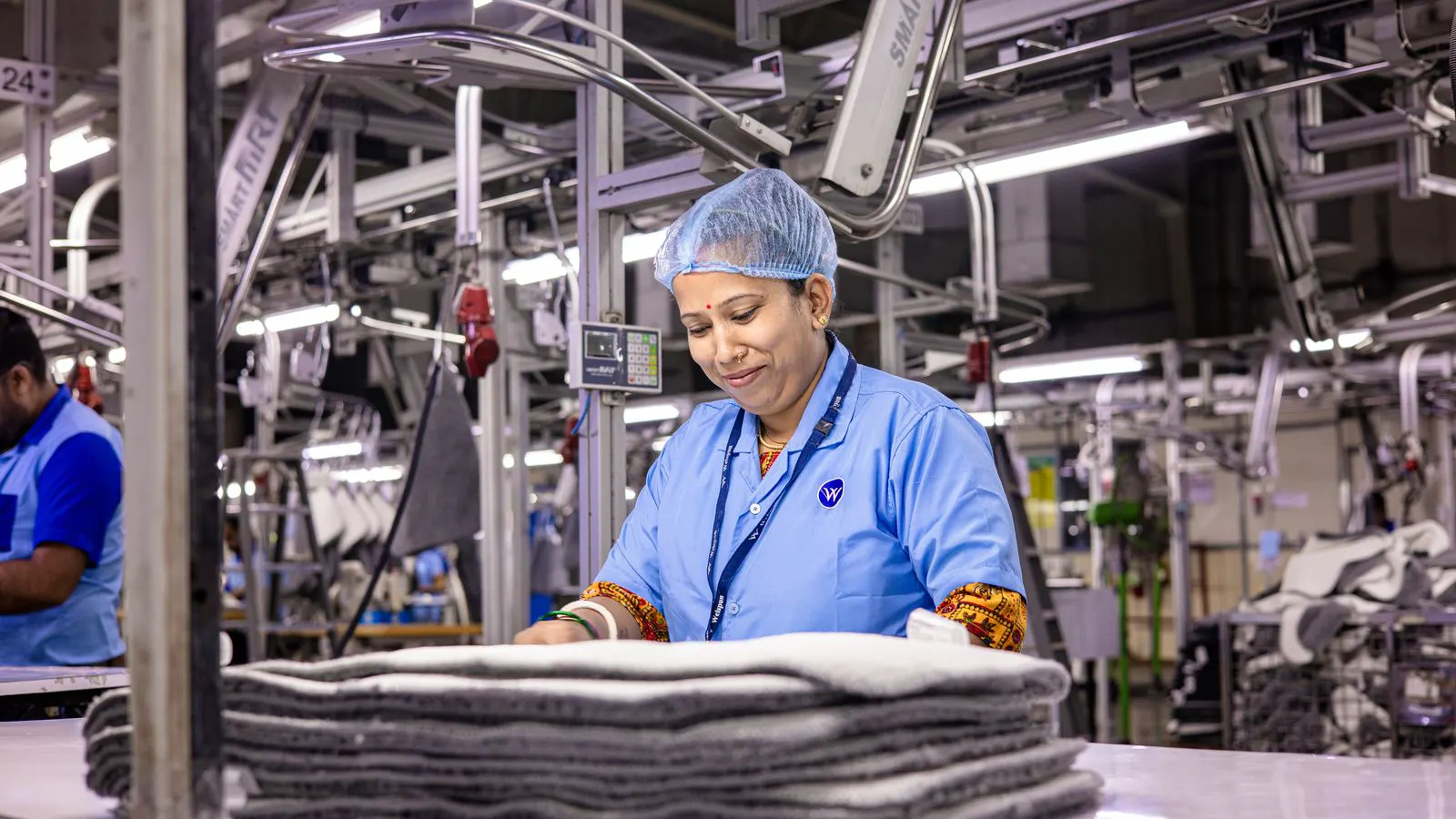
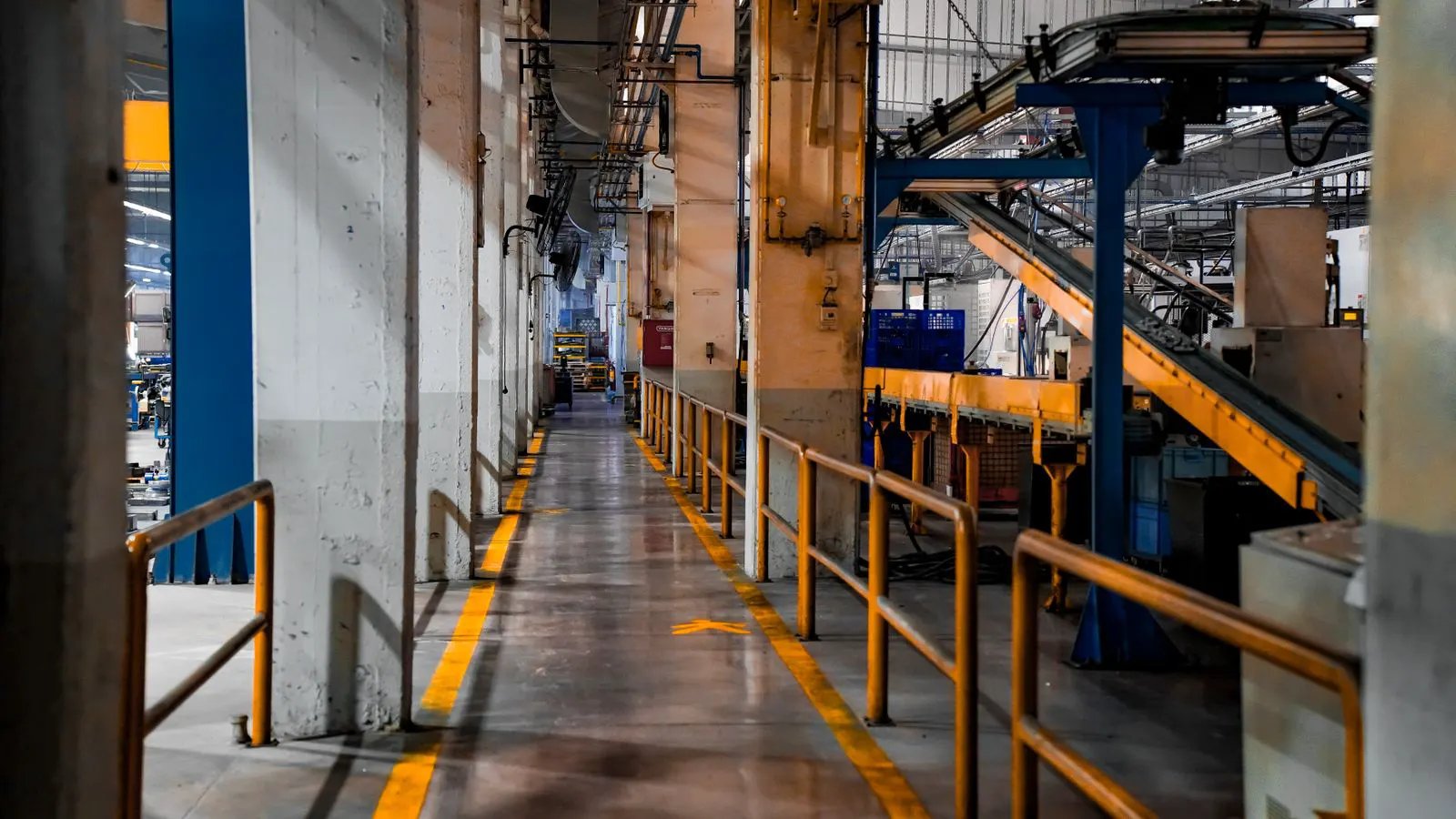
When sourcing casual footwear, the choice of construction method dictates which factories you can work with. Not every factory specializes in both methods. Some factories are set up for high-volume drop stitch production. They have rows of sewing stations and good lighting. They can handle various upper materials and midsole types.
Other factories focus on blown rubber. They have large curing chambers and specialized molds. They often produce boots or outdoor shoes. They may not have the sewing infrastructure for drop stitch. If you need a sneaker with a drop stitch construction, a factory that only does blown rubber will not be able to produce it. Conversely, a factory that only does drop stitch may not have the equipment for blown rubber.
Cost structures vary. Drop stitch construction often involves more labor. The sewing process is time-consuming. The cost of thread and needles is low, but the labor cost is higher. Blown rubber construction has higher upfront costs for molds and machinery. The labor cost per unit is lower, but the tooling cost is significant. For small batches, blown rubber may be less economical. For large batches, the automation can reduce the unit cost.
Material Compatibility and Performance
The materials used in each construction method must be compatible. In drop stitch construction, the upper material must be strong enough to hold the stitch. Thin mesh may tear if the stitch density is too high. Thick leather may be difficult to pierce with a standard needle. The thread must be strong enough to resist the forces placed on the shoe. Nylon and polyester threads are common. The midsole material must be stable. If the EVA foam is too soft, the stitch may pull out over time.
In blown rubber construction, the upper material must withstand heat. Standard mesh will melt or warp. The upper is usually leather or a heavy synthetic. The midsole material must not react negatively with the hot rubber. Some foams may release gases when heated. This can create weak spots in the bond. The rubber compound must be chosen to match the upper material. A soft rubber may not provide a strong bond to a hard leather. A hard rubber may crack if the upper flexes.
Performance differs. Drop stitch shoes are generally lighter. The sole unit is not as thick as a blown rubber sole. The shoe has a natural flex point. This can improve comfort for walking and running. Blown rubber shoes are heavier. The sole is thicker and more rigid. The shoe is more protective. It is better for wet conditions or rough terrain. The user experience is different. A drop stitch shoe feels like a sneaker. A blown rubber shoe feels like a boot.
Quality Control Checks for Each Method
Quality control is critical in both methods, but the checks are different. For drop stitch construction, the inspector must check the stitch line. The stitch density must be consistent. There should be no skipped stitches. The thread must be taut. The upper and sole must be aligned. If the upper is twisted, the stitch will be uneven. The inspector may pull on the upper to check the strength of the bond. The sole must be clean. Any glue residue can affect the adhesion of the outsole.
For blown rubber construction, the inspector checks the bond. The rubber should be smooth and free of bubbles. The edge where the rubber meets the upper should be even. If there is a gap, the bond is weak. The rubber should be the correct color. If the rubber is too dark, it may have overheated. If it is too light, it may not have cured fully. The inspector may press the edge of the sole to check for softness. The shoe should be checked for water resistance. A small amount of water should be sprayed on the seam. If water enters, the bond is failing.
Both methods require checks on the upper and the midsole. The upper must be free of defects. The midsole must be the correct density. The outsole tread must be clear. The insole must be properly positioned. The final assembly must be clean. Dust and debris can affect the appearance and the longevity of the shoe.
A Worked Example: Choosing a Construction for a Casual Sneaker
Imagine you are developing a new casual sneaker. The target market is urban commuters who walk daily. The shoe should be comfortable, lightweight, and easy to clean. The upper is a breathable mesh with leather overlays. The midsole is EVA foam for cushioning. The outsole is a thin rubber layer for grip.
You evaluate drop stitch construction. The upper is stitched to the midsole. This method is well-suited for mesh uppers. The stitch line is hidden under a decorative welt. The shoe is lightweight. The EVA midsole provides good cushioning. The thin rubber outsole adds grip without adding weight. The production line is standard. The factory has the sewing machines. The labor cost is moderate. The quality control focuses on the stitch density and the alignment.
You evaluate blown rubber construction. The upper must be changed. The mesh cannot withstand the heat. You would need to use a heavy synthetic or leather upper. This changes the look and the feel. The midsole must be more rigid to support the rubber. The outsole becomes thicker. The shoe is heavier. The production line requires specialized molds. The labor cost is lower, but the tooling cost is higher. The quality control focuses on the bond strength and the smoothness of the rubber.
For an urban commuter sneaker, drop stitch construction is the better fit. The lightweight feel is a priority. The breathable mesh is a priority. The cost structure is more manageable for a standard production run. The factory capabilities are more widely available. Blown rubber would be better for a hiking boot or a rain boot, where weight and waterproofing are more important than breathability and lightness.
Final Thoughts on Method Selection
The choice between drop stitch and blown rubber is not about which method is better. It is about which method fits the product. The product requirements drive the decision. If the shoe needs to be lightweight and flexible, drop stitch is the way to go. If the shoe needs to be waterproof and durable, blown rubber is the way to go.
Sourcing is the next step. You must find a factory that can execute the method correctly. You must review their production line. You must check their quality control procedures. You must test the samples. You must ensure that the materials are compatible with the method.
The production process is a chain. Each link must be strong. From the material selection to the final inspection, the method dictates the process. Understanding the method helps you make better decisions. It helps you avoid costly mistakes. It helps you build a shoe that meets the needs of the user and the requirements of the market.
Frequently asked questions
Can drop stitch construction be used for waterproof shoes?
No, not easily. The stitch line is a potential point for water entry. Waterproofing usually requires a sealed membrane or a bonded construction. Blown rubber is better for waterproof shoes.
Is blown rubber construction more expensive than drop stitch?
For small batches, yes. The tooling cost for molds is high. For large batches, the labor savings can offset the tooling cost. Drop stitch has lower upfront costs but higher per-unit labor costs.
What materials are used in blown rubber construction?
The upper is usually leather or a heavy synthetic. The midsole is often a rigid foam or thermoplastic. The outsole is a rubber compound that cures under heat and pressure.
How do I know if a factory can do drop stitch construction?
Ask about their sewing infrastructure. They should have industrial sewing machines, tensioning equipment, and a process for checking stitch density. Request a sample and inspect the stitch line.
Can I switch from drop stitch to blown rubber in the same factory?
It depends on the factory. Some factories have both lines. Some specialize in one. You would need to check their capabilities and tooling. Switching may require new molds or new sewing setups.