Future of Recycled Rubber in Sustainable Footwear Supply Chains
Recycled rubber outsoles are becoming standard in sustainable footwear. Buyers should plan for supply chain shifts, quality checks, and sourcing changes to manage cost, durability, and compliance in production.
- Recycled rubber outsoles require stricter incoming material checks than virgin rubber.
- Sourcing agreements must cover carbon footprint, particle size, and contamination limits.
- Buyers should budget for longer tooling lead times due to material variability.
- Supplier audits should verify feedstock provenance and reprocessing capacity.
- Design for serviceability helps extend the life of recycled rubber outsoles.
Why recycled rubber outsoles are moving from trial to production
Recycled rubber outsoles are no longer a niche experiment. They are entering production lines as buyers demand lower embodied carbon and circular material content. The shift is driven by customer specifications, raw material cost pressure, and the need to meet stricter environmental reporting.
The practical effect is visible in purchasing. Buyers now ask for recycled content percentages, particle size distribution, and carbon footprint per kilogram. They also ask about contamination limits and color consistency.
For manufacturers, the change is not just about swapping one feedstock for another. It changes material handling, quality control, and supplier management. The material behaves differently from virgin rubber. It has wider variability, different cure behavior, and more sensitivity to processing conditions.
The result is a supply chain that must adapt. Buyers who plan only on virgin rubber price points and standard lead times will face friction. Those who build flexible sourcing and testing into their plans will find the transition manageable.
What buyers should expect from recycled rubber outsoles
Recycled rubber outsoles are made from ground-down rubber, often from end-of-life tires or factory offcuts. The material is then reprocessed into pellets or pre-mixed compounds. This process introduces variability that virgin rubber does not have.
The most common issue is particle size consistency. If the grind is too coarse, the outsole may show surface irregularities. If it is too fine, the compound may cure unevenly. Buyers should specify acceptable particle size ranges in their material contracts.
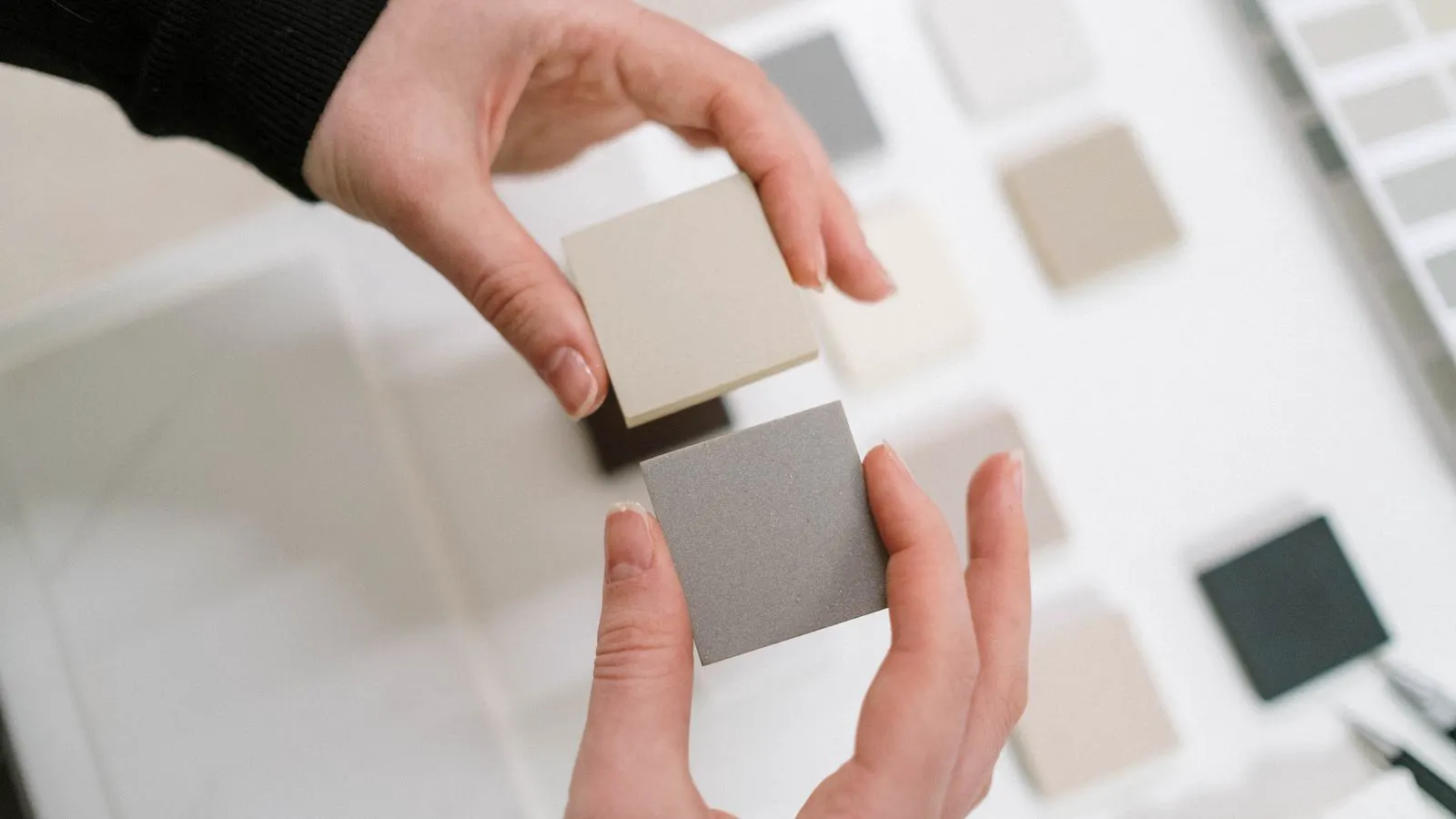
Color consistency is another challenge. Recycled rubber often contains residual pigments from the original product. If the feedstock is not sorted well, the final outsole color may shift between batches. Buyers should request color swatches and batch-to-batch variance data before approval.
Durability is generally comparable to virgin rubber when the material is processed correctly. However, the cure profile may need adjustment. Older vulcanization cycles may need to be extended to ensure full cure. Buyers should work with their molders to update cure recipes when switching feedstock.
The material is also more sensitive to storage. Recycled rubber can absorb moisture and degrade over time if stored in uncontrolled conditions. Buyers should require suppliers to store material in climate-controlled warehouses and provide shelf-life data.
How recycled rubber sourcing will change
Recycled rubber sourcing is becoming more formal. Buyers are moving from spot purchases to long-term contracts with defined specifications. The change is driven by the need for consistent quality and traceability.
Sourcing agreements now include requirements for feedstock origin. Buyers want to know whether the rubber comes from end-of-life tires, factory offcuts, or other sources. Some customers require that the material comes from certified recycling facilities.
Carbon footprint reporting is also expanding. Suppliers are asked to provide lifecycle assessment data for each batch. This data includes energy use in grinding, mixing, and curing. Buyers use this information to meet their own sustainability targets.
Traceability is a growing requirement. Some brands want to track the material from raw feedstock to finished outsole. This may require batch codes and digital records. Buyers should ask suppliers about their traceability systems before finalizing contracts.
The sourcing base is also changing. Buyers are looking for regional recycling partners to reduce transport distance. This can lower carbon footprint and shorten lead times. However, regional supply may be limited. Buyers should identify multiple sourcing options to manage risk.
Quality checks buyers must add
Recycled rubber outsoles require different quality checks than virgin rubber. The material variability means that standard incoming inspection may not catch all issues. Buyers need to expand their testing protocols.
The following table shows common quality checks for recycled rubber outsoles:
| Check Type | Purpose | Typical Frequency |
|---|---|---|
| Particle size test | Ensures consistent grind for processing | Every batch |
| Moisture content test | Prevents cure defects and storage degradation | Every batch |
| Color swatch comparison | Verifies color consistency across batches | Every batch |
| Tensile strength test | Measures material strength for durability | Monthly or per lot |
| Cure time test | Confirms vulcanization profile for the compound | When material changes |
| Contamination screen | Checks for foreign materials in the feedstock | Quarterly or per lot |
These checks should be documented. Buyers need records that show the material met specifications before it entered production. This documentation protects the manufacturer and supports sustainability claims.
A common mistake is skipping the moisture content test. Recycled rubber can absorb moisture during storage. If the material is too wet, the outsole may cure unevenly and show surface defects. Buyers should require moisture testing before material is released for production.
Another common issue is color drift. Recycled rubber may contain residual pigments that shift the final color. Buyers should request color swatches from multiple batches and approve a tolerance range. Without this, production runs may be rejected for color mismatch.
Supply chain planning shifts for 2026
Buyers should plan for five shifts in their supply chain as recycled rubber outsoles become more common. These shifts require changes in sourcing, testing, and production planning.
-
Longer lead times for material approval. Recycled rubber compounds may need longer testing periods before approval. Buyers should build extra time into their procurement calendar. Do not assume the same lead time as virgin rubber.
-
Higher variability in material performance. Recycled rubber has wider batch-to-batch variation. Buyers should allow for more frequent quality checks and be prepared to adjust cure settings. This may slow production slightly but improves consistency.
-
Need for supplier capacity flexibility. Recycled rubber supply can be inconsistent. Buyers should identify secondary suppliers and keep a buffer stock of approved material. This reduces the risk of production stoppages.
-
Expanded documentation requirements. Sustainability reporting is increasing. Buyers should prepare for more documentation from suppliers, including carbon footprint data and traceability records. This requires time and coordination.
-
Shift in cost structure. Recycled rubber may be cheaper or more expensive depending on feedstock availability and processing costs. Buyers should not assume a fixed price difference. They should negotiate contracts that reflect market conditions.
These shifts require planning. Buyers who treat recycled rubber as a simple substitution will face problems. Those who adjust their systems will find the material reliable and beneficial.
How to prepare your supply chain for recycled rubber outsoles
Preparation starts with supplier selection. Buyers should look for suppliers with proven recycling capacity and quality control. Visit the facility if possible. Check the grinding, mixing, and storage areas. Ask about batch records and testing protocols.
Next, define your material specifications. Include particle size, moisture content, color tolerance, and mechanical properties. Write these into the contract. Ambiguity leads to disputes and rework.
Update your production plans. Recycled rubber may need longer cure times or different mixing parameters. Work with your molders to test the material on your existing molds. Document the results. Adjust your production schedule to reflect any changes.
Build a buffer stock. Recycled rubber supply can fluctuate. Keep a minimum inventory of approved material to protect production. This buffer should be large enough to cover two to three weeks of production, depending on your volume.
Finally, train your team. Incoming inspection, quality control, and production staff need to understand the differences between recycled and virgin rubber. Provide training on the specific checks and documentation required.
Practical next steps
Buyers should take action now to prepare for recycled rubber outsoles in their supply chain. The following steps provide a clear path:
- Identify your current outsole suppliers and ask about recycled rubber capability.
- Request sample material and run a trial production run.
- Define your material specifications and add them to your contracts.
- Update your quality check protocols to include moisture and color testing.
- Identify at least two alternative suppliers for recycled rubber.
- Train your production and quality teams on the new material.
These steps are practical and manageable. They do not require major capital investment. They do require coordination and planning. The payoff is a supply chain that is ready for the material shift.
Recycled rubber outsoles are here to stay. Buyers who prepare will find the material adds value to their product and supports their sustainability goals. Those who wait will face delays and cost overruns. The time to prepare is now.
Frequently asked questions
What is the main difference between recycled and virgin rubber outsoles?
Recycled rubber has wider variability in particle size and color. Virgin rubber is more consistent but has a higher environmental footprint.
Do recycled rubber outsoles last as long as virgin rubber?
Yes, when processed correctly. The durability is comparable. The cure profile may need adjustment to ensure full cure.
How do I know if my supplier can provide recycled rubber?
Ask for their recycling capacity, feedstock sources, and testing protocols. Visit the facility if possible.
What documentation should I request for recycled rubber?
Request batch records, carbon footprint data, and traceability records. These support sustainability claims and quality control.
Can I use recycled rubber on premium footwear?
Yes, if the material meets your quality standards. Premium brands often use recycled rubber to meet sustainability targets.