Contract vs Job Shop: Footwear Factory Types Explained
Contract factories run continuous production for multiple brands, while job shops handle smaller, custom batches. Choosing between footwear factory types depends on volume, flexibility, tooling costs, and the level of quality control you require before placing a long-term order.
- Contract factories offer lower unit costs and consistent throughput, making them better for stable, high-volume orders.
- Job shops provide flexibility for small batches, prototyping, and complex designs, but at a higher per-unit cost.
- Match the production model to your order volume, design complexity, and need for quick turnaround.
- Define quality controls, tooling ownership, and communication protocols before committing to either factory type.
How factory type changes your sourcing strategy
The model a factory uses to take orders shapes every part of your project. It affects how quickly samples arrive, how much tooling you must fund, and how much quality control you need to build into each production line. Two main models dominate the footwear industry: contract manufacturing and job shop production.
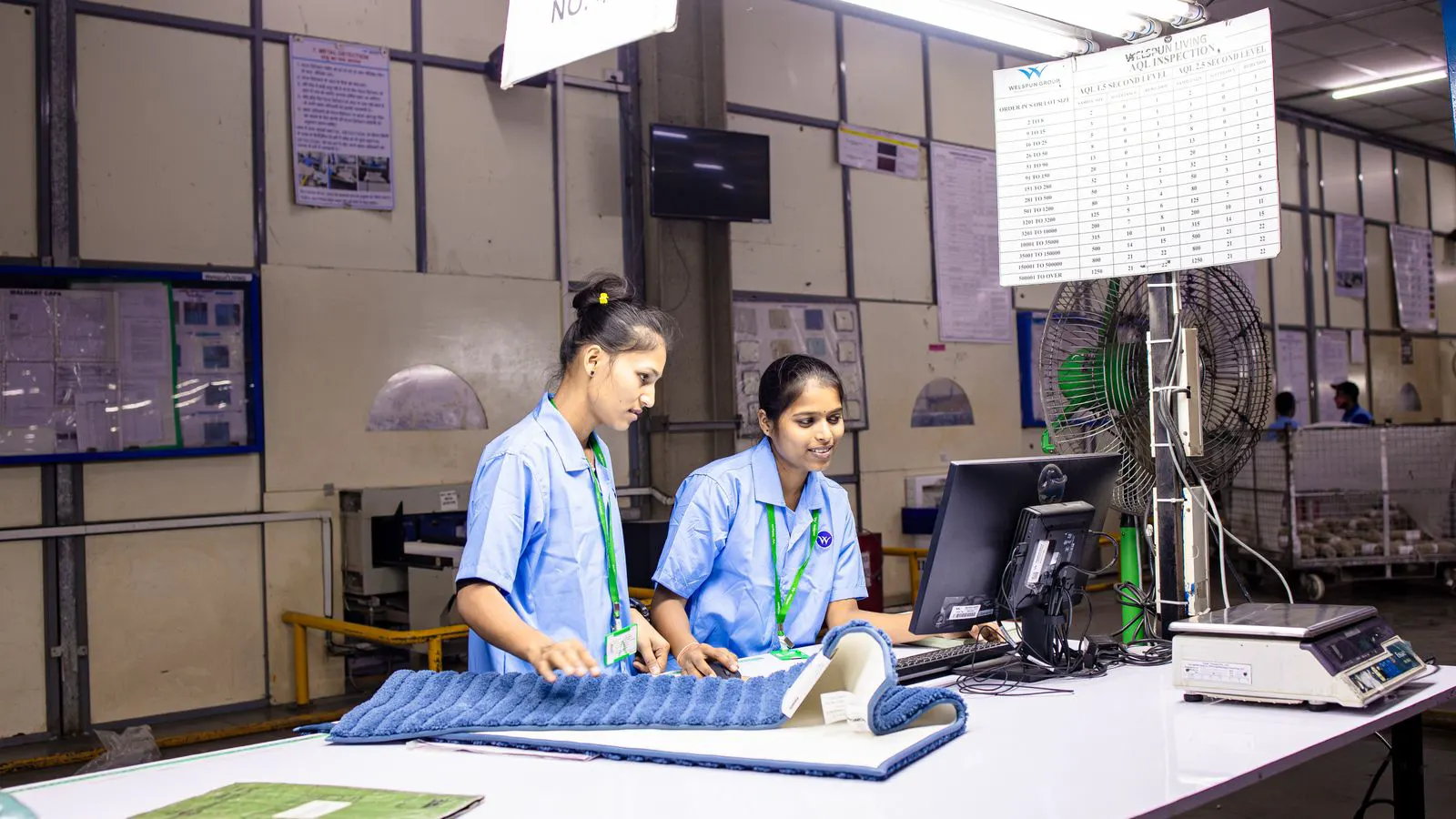
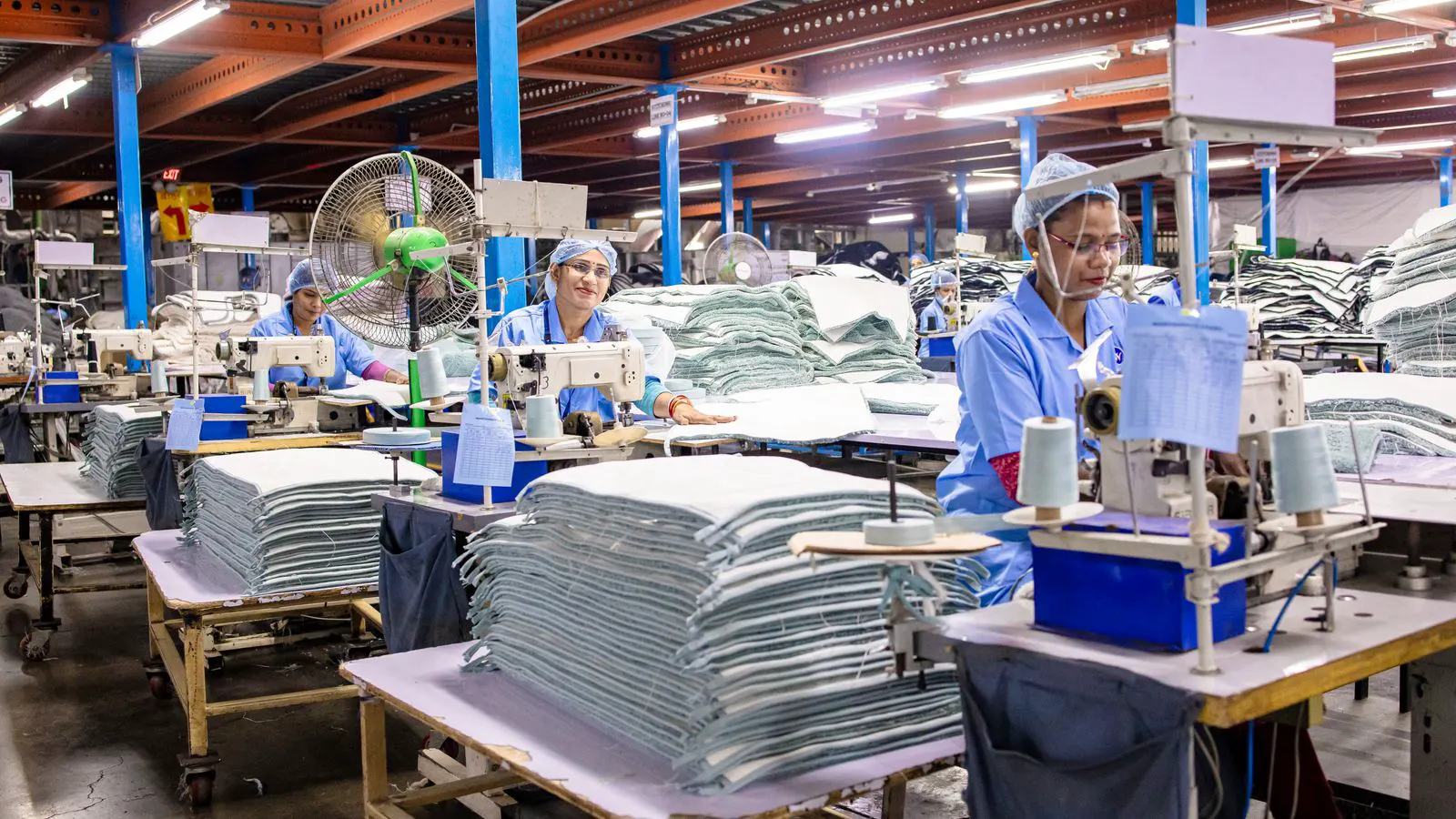
Contract factories operate on a continuous production cycle. They run multiple brands on the same lines, often with dedicated teams for each style. They rely on established patterns, consistent material sourcing, and repeatable quality checks. This model works best when a buyer places large, repeatable orders with limited design changes.
Job shops operate on a batch basis. They take in smaller orders, often custom or one-off styles. Their lines are more flexible, and workers may move between tasks or styles more frequently. This model suits prototyping, short runs, and complex designs that do not justify dedicated tooling or a dedicated line.
The core trade-off between contract and job shop models
The difference is not just about size. It is about how the factory structures labor, tooling, and quality control.
A contract factory spreads fixed costs across many units. The die, last, and pattern are used repeatedly. The operators learn the style quickly because they make the same shoe week after week. This repetition lowers defect rates and reduces the need for intense inspection at every station.
A job shop spreads those fixed costs across fewer units. Each style may run for only a few days. Workers must change over more often. Tooling may be shared or rented. Quality control must be tighter at each step, because a small defect rate can quickly become a large share of the finished order.
The result is a different cost structure. The contract model has a lower cost per pair but a higher barrier to entry. The job shop model has a higher cost per pair but a lower barrier to entry.
When to choose contract manufacturing
Contract manufacturing fits buyers who can commit to volume and stability. The best candidates are brands with established designs, a predictable seasonal calendar, and a need to reduce unit cost through scale.
A contract factory is the right fit when:
- Your order volume is large enough to cover the cost of dedicated tooling and line setup.
- Your design is stable and you do not expect major changes during the production run.
- You need a consistent supply of materials from vetted mills and factories.
- You can accept a longer lead time in exchange for lower unit cost and higher process consistency.
- You have a clear quality standard and will inspect at defined milestones.
This model is common for athletic shoes, work boots, and everyday casual footwear where a style may sell for years. The factory may hold the tooling for you, or you may fund it and own it outright. The contract usually defines who owns the molds, patterns, and last sets, and what happens if the relationship ends.
When to choose job shop production
Job shop production fits buyers who need flexibility, speed, or complexity. It is the natural choice for new products, limited editions, and custom footwear.
A job shop is the right fit when:
- Your order volume is too small to justify dedicated tooling and a full production line.
- You are testing a new design and need rapid sample-to-production transitions.
- Your style involves complex construction, such as hand-stitched uppers, layered soles, or unusual materials.
- You need to change materials or colors mid-run to test market response.
- You require a faster turnaround because the product is time-sensitive.
Job shops often serve luxury brands, limited-edition drops, and custom corporate footwear. They may also handle the first production run for a new style before the buyer moves the design to a contract factory for scale.
Comparing the two models side by side
The table below summarizes the main differences between contract manufacturing and job shop production.
| Option | Best for | Limitations |
|---|---|---|
| Contract manufacturing | High-volume, repeatable styles; stable designs; long-term partnerships | Requires large minimum order quantities; less flexible for design changes; longer lead times for setup |
| Job shop production | Small batches; prototyping; custom or complex designs; limited editions | Higher unit cost; less process consistency; shorter tooling lifespan; higher inspection burden |
The table captures the trade-off, but the real decision depends on your specific needs. A buyer with a stable sneaker line and a seasonal plan will almost always prefer a contract factory. A buyer launching a new handcrafted boot with a small initial run will prefer a job shop.
How factory type affects quality control
The production model changes how you should inspect goods.
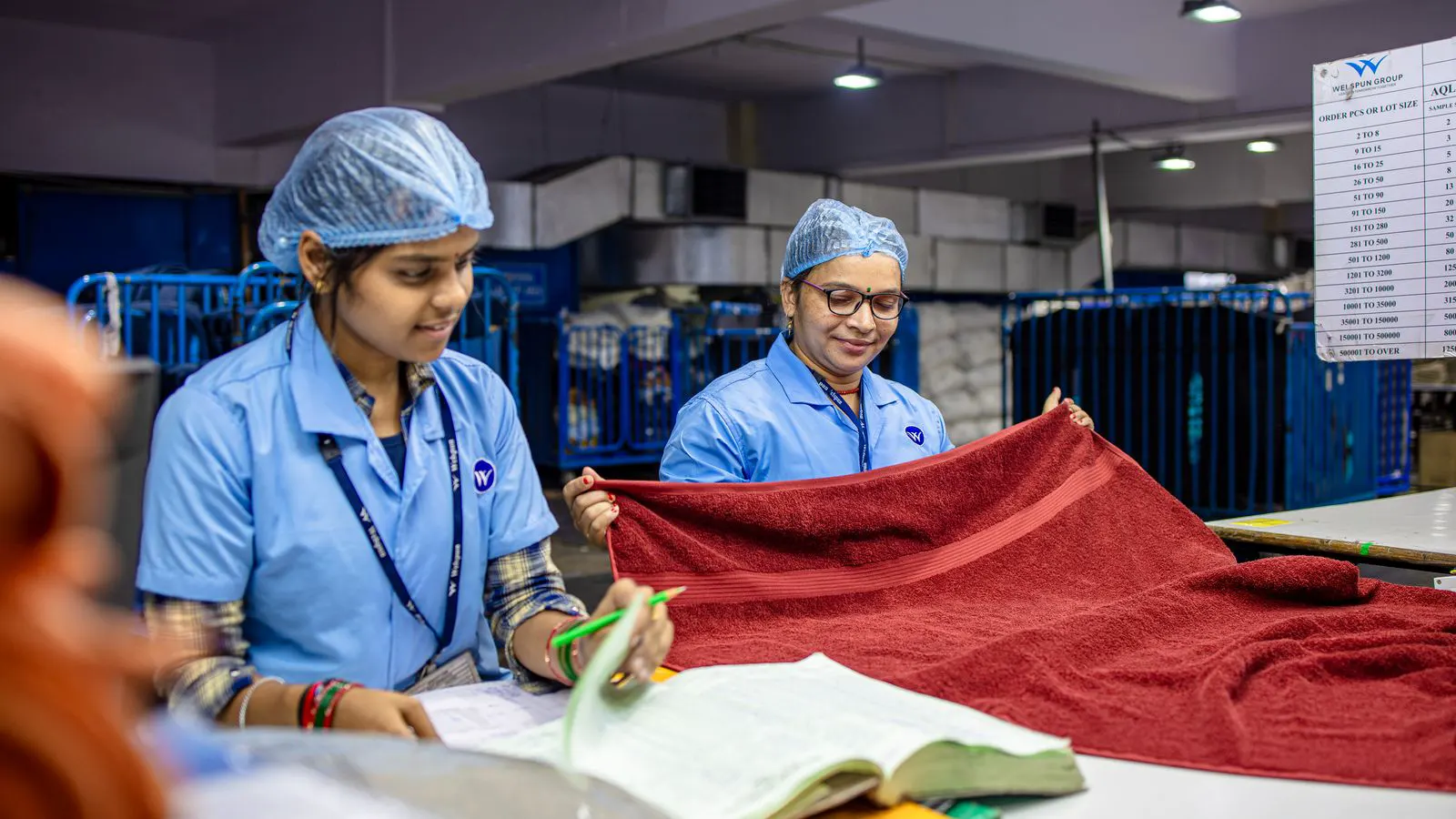
In a contract factory, quality control is built into the process. The factory has standard work instructions, in-process checks, and final inspections. Because the line is stable, defects are usually caught at the source. A buyer can rely on the factory’s process, but should still define acceptance criteria, such as a maximum defect rate per station and a final audit threshold.
In a job shop, quality control is more variable. The line changes, and the workers may not have made that style before. Defects are more likely to appear as process errors. A buyer should expect to inspect more frequently, possibly at every key step, and should define clear acceptance criteria for each sample and production batch.
Both models require a written quality standard. The contract model relies on process consistency. The job shop model relies on tighter inspection.
How factory type affects tooling and cost
Tooling is one of the biggest differences between the two models.
A contract factory will often require you to fund or share the cost of dies, lasts, and patterns. These are expensive. A single die for a sole can cost several thousand dollars. A last set can cost more. The contract factory will not amortize those costs across many customers. They will charge you for the tooling, and you will recoup the cost over the life of the style.
A job shop may already own some tooling, or they may use shared tooling. This lowers your upfront cost. However, the per-unit cost is higher because the tooling cost is spread over fewer units. If you order only a few hundred pairs, the tooling cost per pair can be significant.
The rule of thumb is this: if your order volume is high enough to amortize tooling over many units, use a contract factory. If your order volume is low, use a job shop and accept the higher unit cost.
How to decide the best factory type for your project
Start with your order volume and design stability. If you are placing a large order for a style you plan to sell for a season or a year, a contract factory is the natural choice. If you are placing a small order for a new design or a limited run, a job shop is the natural choice.
Next, look at your design complexity. Simple construction, such as a stitched upper on a standard sole, works well in both models. Complex construction, such as hand-stitched uppers or multi-layer soles, is better suited to a job shop until the process is proven.
Then, consider your timeline. Contract factories often have longer lead times because they must schedule your order into a stable production plan. Job shops can often start production faster, but their capacity is limited. If you need a quick turnaround, a job shop is usually the better fit.
Finally, define your quality controls. Write down the acceptance criteria, the inspection points, and the documentation you require. This applies to both models, but the job shop will need more detailed instructions and more frequent inspections.
Common mistakes buyers make when choosing a factory type
Buyers often make the same mistake: they choose a factory type based on price alone. A lower unit price from a contract factory can become a higher total cost if the order volume is too low to amortize tooling. A higher unit price from a job shop can be the right choice if the order is small and the design is complex.
Another mistake is assuming a contract factory can handle rapid design changes. They cannot, without slowing down the line or incurring extra costs. If your design is likely to change, use a job shop for the early stages and move to a contract factory only when the design is stable.
A third mistake is not defining tooling ownership in the contract. If you fund the tooling and the factory owns it, you may lose the ability to use the tooling with another factory in the future. If the factory owns it, you may be locked in. Define this in writing.
Final recommendation
There is no single best factory type. The right choice depends on your volume, design complexity, timeline, and quality requirements. For stable, high-volume production, use contract manufacturing. For small batches, prototyping, and complex designs, use job shop production. Many buyers use both: they prototype and test in a job shop, then move the proven design to a contract factory for scale.
The key is to match the factory type to the stage of your product lifecycle. A factory that is perfect for launching a new style may not be perfect for scaling it. A factory that is perfect for scaling a style may not be flexible enough to test a new design. Choose the model that fits the task.
Frequently asked questions
What is the minimum order quantity for a contract factory?
It varies by factory and style. Some contract factories require several thousand pairs per style. Others may accept smaller orders if the style is stable and the buyer can commit to a longer-term supply agreement.
Can a job shop handle large orders?
Yes, but with limits. A job shop can handle large orders if the capacity is available, but the cost per unit may be higher than a contract factory. The job shop may also have difficulty maintaining process consistency over a very long run.
How do I know if my design is too complex for a contract factory?
If your design requires hand work, unusual materials, or a construction method the factory does not routinely produce, it is likely too complex for a contract factory. Start with a job shop to prove the process, then move to a contract factory if the design stabilizes.
Who owns the tooling in a job shop?
The tooling is usually owned by the job shop or the buyer. The contract should define this. If the buyer funds the tooling, the buyer should own it and have the right to use it with another factory. If the job shop owns it, the buyer should pay a tooling fee and accept that the tooling may be used for other customers.
How do I transition from a job shop to a contract factory?
First, stabilize the design. Produce a small batch in the job shop and test it in the market. Once the design is proven and the volume is stable, move the design to a contract factory. Share the tooling, patterns, and quality standards with the contract factory to reduce setup time and cost.